
Pokemon Origins
Greninja's Ninja Origins: History, Folklore, and Japanese Art
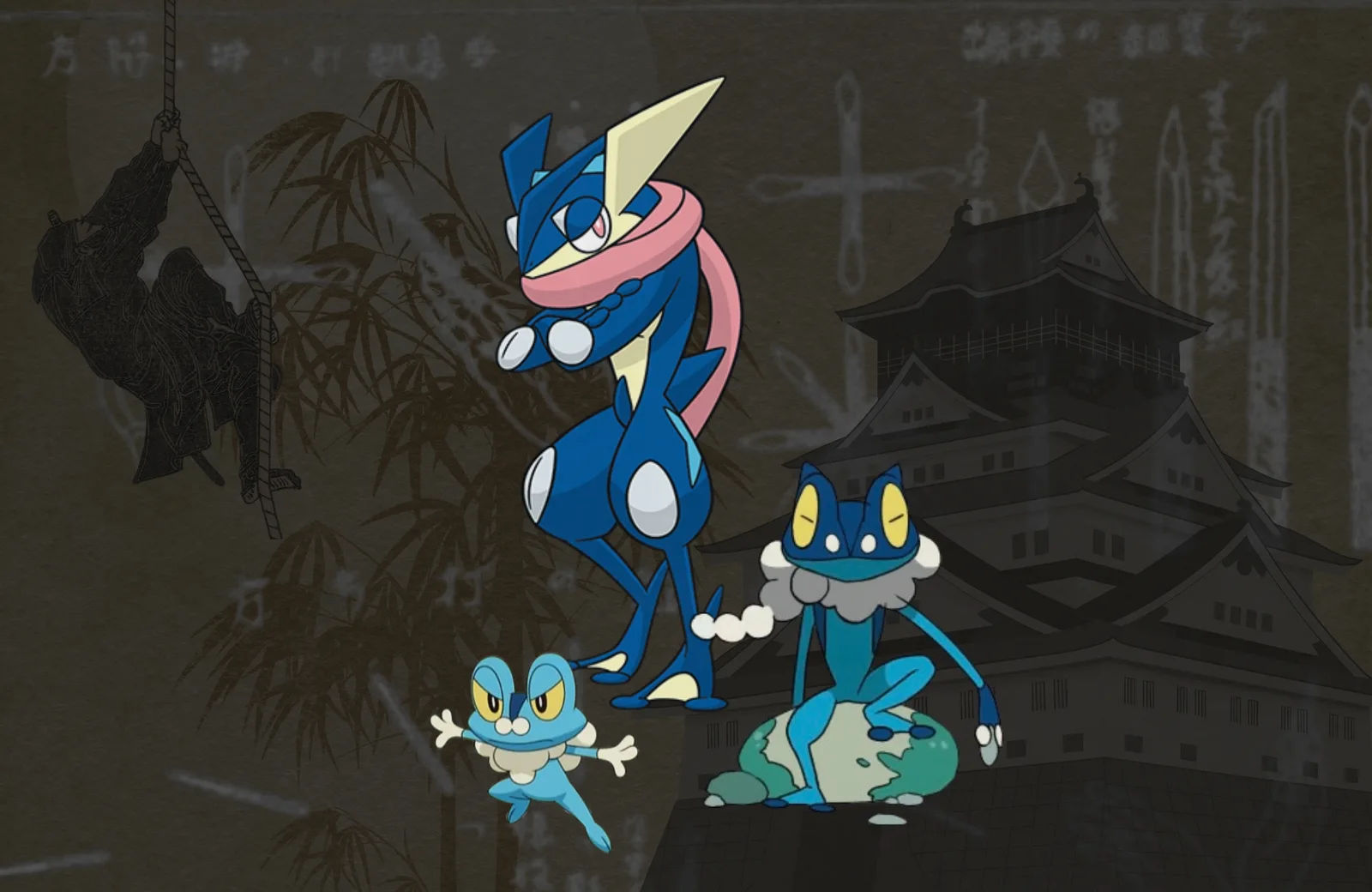
"It appears and vanishes with a ninja’s grace. It toys with its enemies using swift movements, while slicing them with throwing stars of sharpest water."
When most people think of ninjas, they imagine warriors dressed head to toe in black, vanishing in clouds of smoke while hurling shuriken through the air. Greninja certainly seems to fit that image, but like the real history of ninjas, there's much more beneath the surface. Game Freak didn't simply create "a frog that happens to be a ninja." Instead, Greninja's design borrows from centuries of Japanese folklore, military history, and popular culture. Once you know what to look for, almost every aspect of the lines design begins to make sense.
The Ninja
It's worth remembering that much of what people believe about ninjas today comes from Kabuki theater portrayals, novels, movies, anime, and video games rather than historical records.
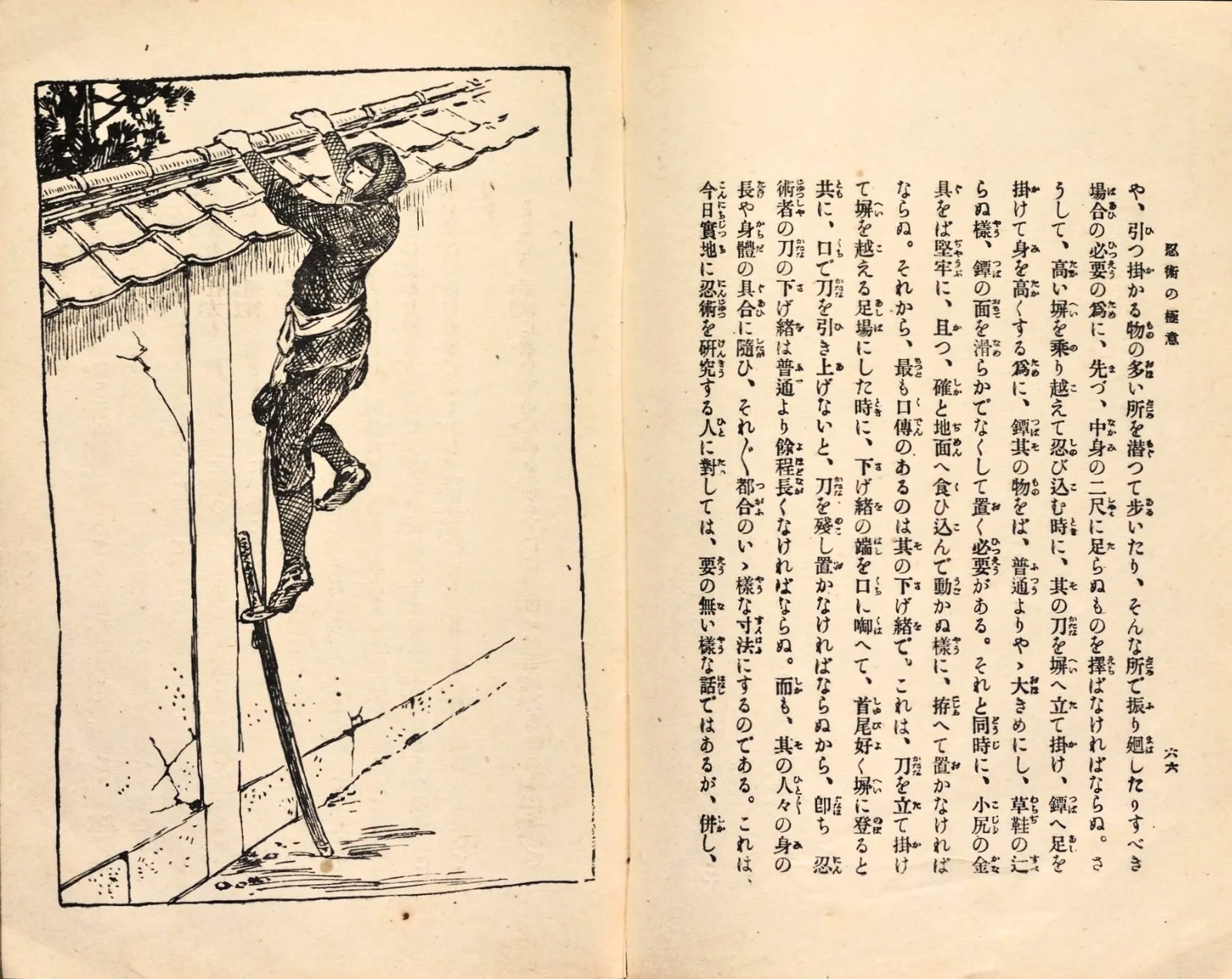
In history, the Ninja were often Samurai that were well versed in "Shinobi Tactics" which emphasized operating independently in enemy territory to infiltrate, observe, disrupt, and ambush. They did this through concealment and disguise, using the environment and human psychology to achieve their goals. It's important to understand the difference between concealment and disguise to understand the design choice of Greninja's hidden ability: Protean, which we will discuss later.
Concealment VS Disguise
When most people image Ninja, they imagine concealment. Hiding in shadows, wearing all black, running around at night across rooftops. While it has been overly emphasized and exaggerated, it is (sort of) one half of how ninja operated. The black catsuit likely comes from Kabuki theater portrayals where wearing all black helped indicate to the audience a character was invisible.
The other, less known, and perhaps more important aspect of their toolkit was disguise. Ninja often operated in broad daylight, blending in with the crowd. They would become a merchant, priest, street performer, or servant. These vocations would be able to pass unnoticed, or were able to overhear conversations and pick up on information. It is difficult to learn important information while hiding in a bush in a corner of the garden. Much more can be learned by talking to other servants, speaking with soldiers, guards or locals as an unassuming Priest or traveling merchant.
Why a Frog?
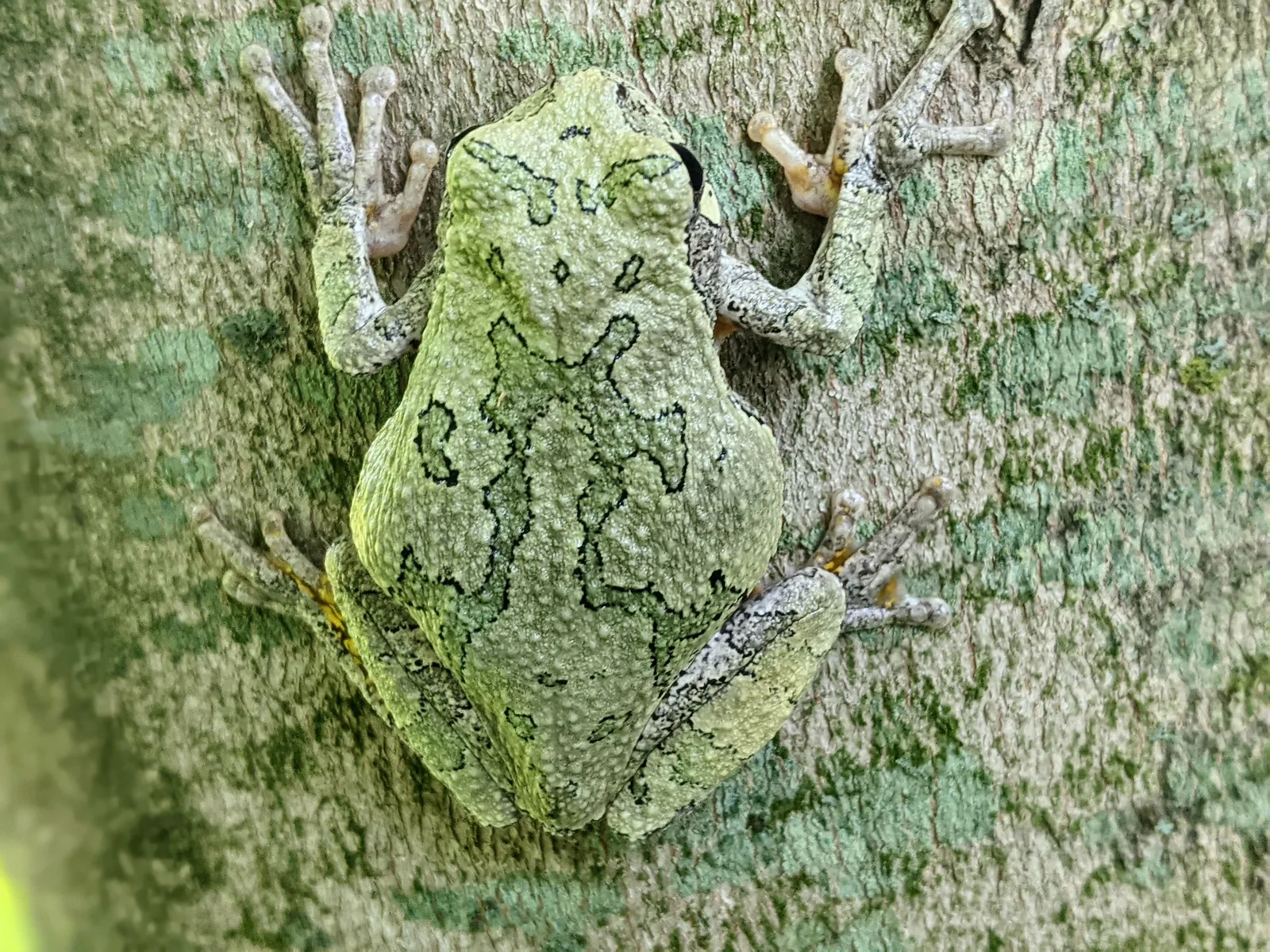
Greninja's ninja inspiration is pretty obvious. From its name, to crouching pose, dark color scheme and tongue scarf billowing behind it. But the choice of a frog, seemingly a Tree Frog specifically, is significant and appropriate for several reasons. Frogs are generally well camouflaged. They sit, patiently observing, and wait for an opportunity to strike. Tree frogs are incredible jumpers and climbers that can scale any surface easily. There is also one cultural connection of Ninja to the frog and toad family that Game Freak could be drawing on.
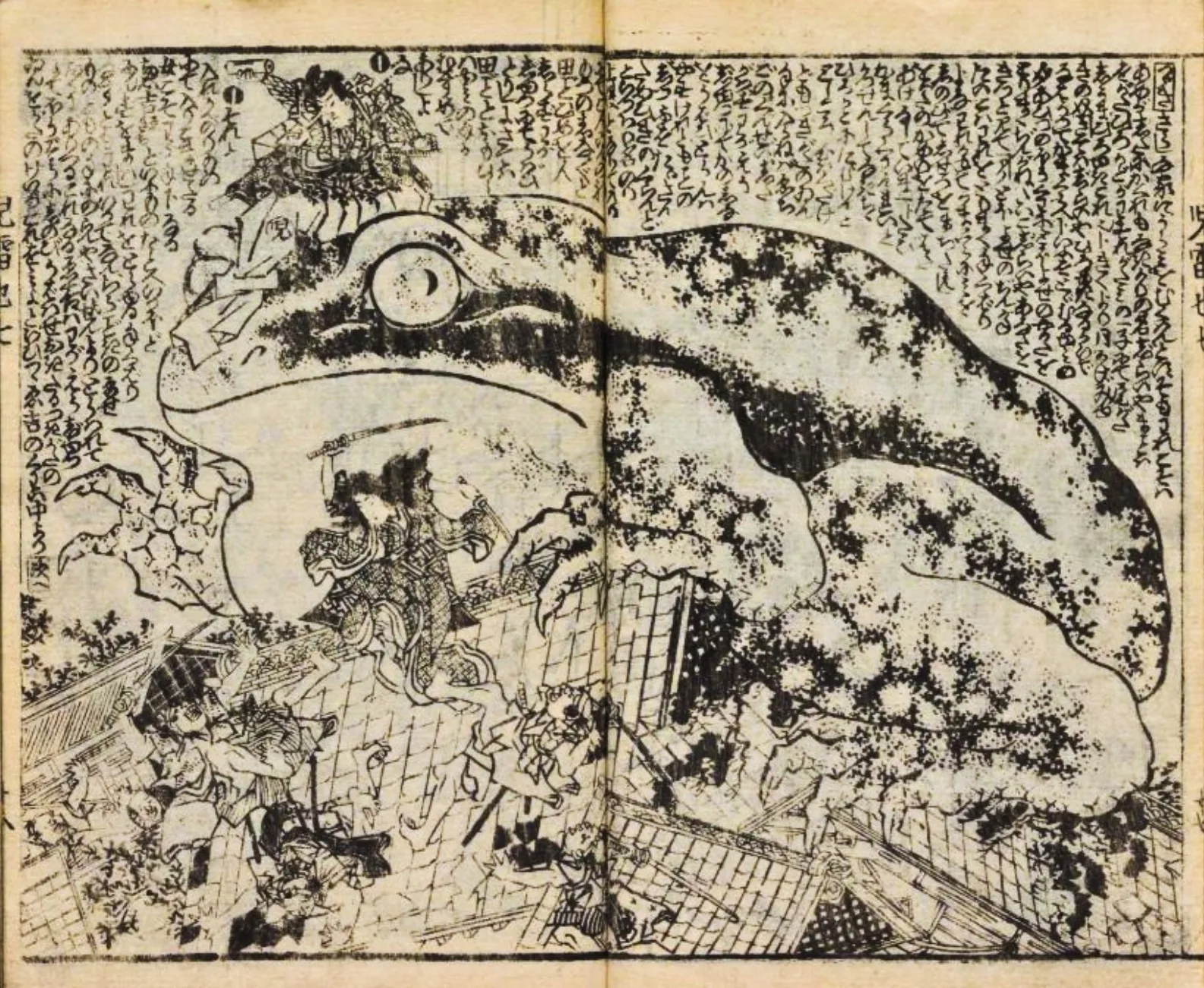
The Tale of the Gallant Jiraiya was an extremely popular set of illustrated novels released in the mid 1800s. Jiraiya had the ability to summon and and transform into toads. He became a frequent character in Kabuki theater, movies and cultural references. Some have speculated this may have had some influence on the design.
Japanese culture associates frogs and toads with ninjas based on the folk story The Tale of the Gallant Jiraiya (Japanese: 児雷也豪傑物語 Jiraiya Gōketsu Monogatari), about a ninja who can shapeshift into a large toad.
Froakie the Unassuming
Now that we have some basic introduction to the Ninja in history and popular culture. Lets take a look a the Greninja line, starting with Froakie, and see how it applies those themes.
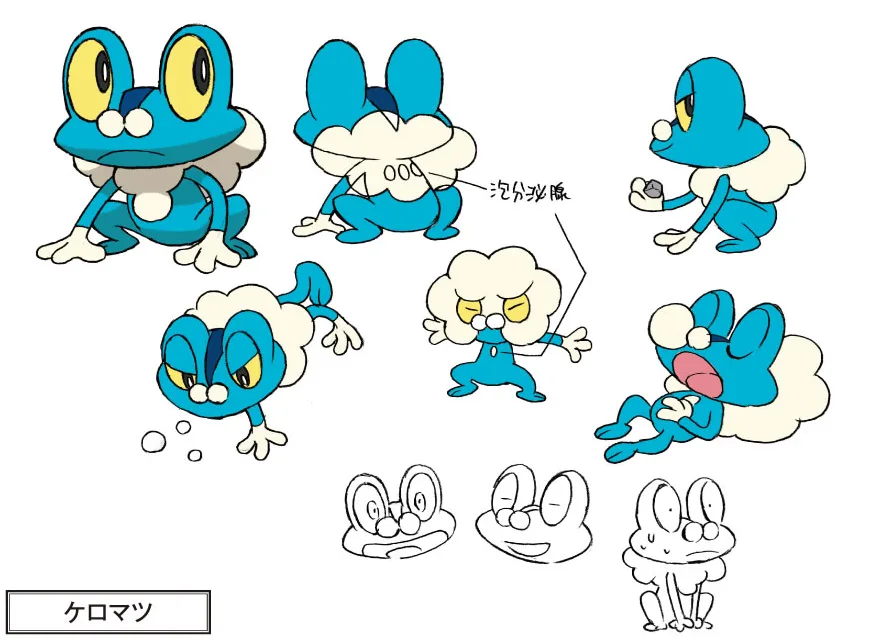
At first, Froakie seems to be completely devoid of Ninja elements. Its a fairly bright shade of blue with white bubbles. It's cutesy with large expressive eyes and seems cheerful and innocent. On closer inspection however, there are a few hints of what is to come later in the evolutionary line. First we can see from its Pokédex entries that its innocent, slightly goofy appearance and demeanor is actually a disguise.
"It's happy-go-lucky look is an act intended to fool its enemies. It will suddenly drop the facade and overwhelm it foes with blinding speed. "
Froakie pretends to be an clueless, dopey first-stager. Under the surface however, its secretly waiting for its opportunity to strike. Other Pokédex entries indicate that it is also highly observant and "keeps a watchful eye on its surroundings". Froakie also has a little known tool that hints at its ninja inspiration.
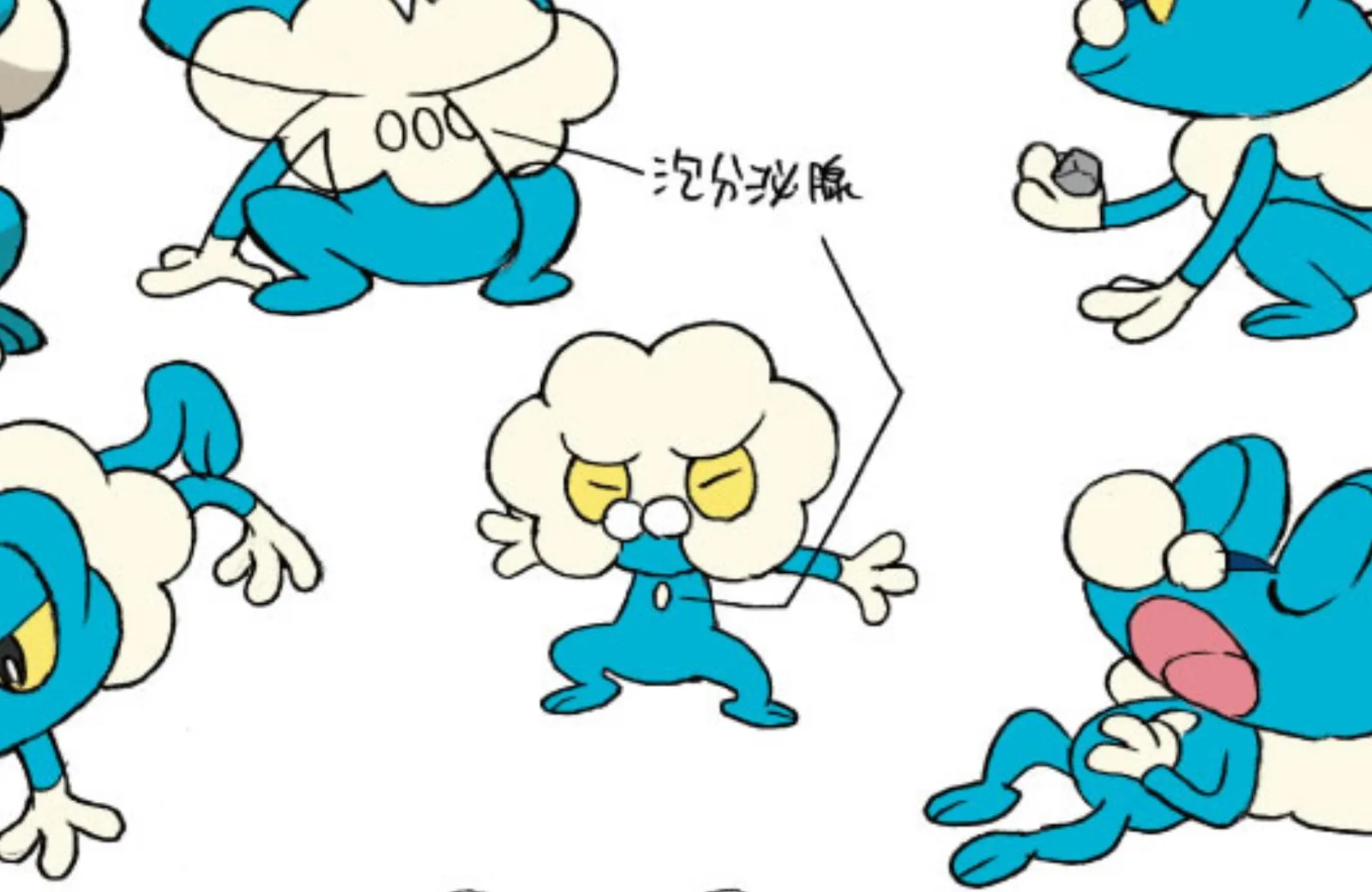
"Froakie's foam resembles a "backpack" of sorts, and has also been used in the animated series as a makeshift hood, which may be a reference to dorobō (burglars or thieves). In Japanese folklore and culture, dorobō use furoshiki cloth bags to hold stolen goods and mask their identity, referenced in Froakie's usage of its foam."
Other Pokédex entries say that it uses the foam as armor to reduce damage taken from attacks. Froakie is a lightly armored, highly observant actor who use deception and disguise to fool its enemies and mask its identity.
Frogadier
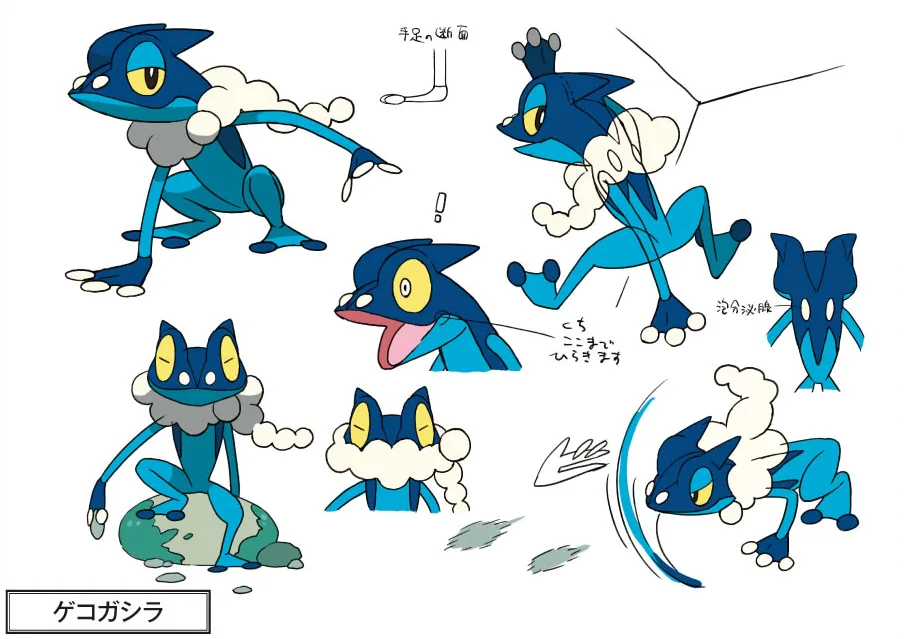
Frogadier also uses its foam to cover its face. At least in the early concept art. It also is noted for its ability to scale towers extremely rapidly and "excels at devising battle strategies that make use of the terrain".
Gren-adier?
Many assume that Frogadier is a combination of "frog" and "brigadier", however at Pokelore.net, we feel that "Grenadier" is an even better fit. A Grenadier is a military rank that was originally a specialist at throwing grenades or bombs. They later became the ones tasked with taking fortifications during siege warfare. Frogadier has Pokédex entries that indicates it would excel at all of these. This is not a Ninja themed aspect of its design, we just think its interesting, and may possibly tie into Greninja's name later.
Greninja
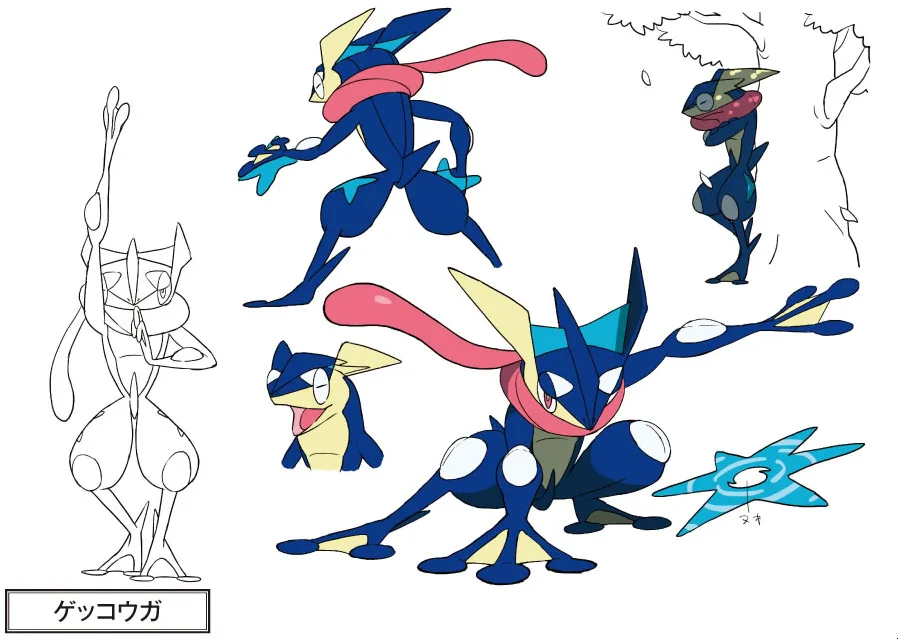
In Greninja the ninja design is clearly evident. (It's right there in the name!) We don't have to hunt for tidbits or clues anymore. However there are a few aspects of it's design that are probably missed by the average Greninja enjoyer. We will not spend much time discussing obvious design features like the Water Shuriken as this seems to be fairly self explanatory. Shuriken are probably the weapon most associated with ninja in popular culture. It should be noted that Shuriken historically were definitely used, but were more a tool for distraction (either from a successful hit, or not) than for assassination.
Gre?
The most popular theory as to where the name comes from is a combination of the French word "grenouille", which is French for "frog" and "ninja". This makes sense because Greninja's introductory region, Kalos, is based on France.
The 47 Ronin
Utagawa Kuniyoshi (1798-1861) was a highly talented woodblock print artist who became famous for his depictions of legendary warriors from Japanese history and folklore. His series "Stories of the True Loyalty of the Faithful Samurai" depicts the legendary Forty-seven Rōnin. These samurai avenged their lord in one of Japan's most enduring tales of loyalty and honor. These prints shaped how future generations imagined heroic warriors and left a lasting influence on Japanese art and popular culture. While these are not ninja, there are certain aspects of the designs that are striking when viewed side by side with Greninja. Many of the warriors wear blue of shades that are not dissimilar from Froakie, Frogadier, and Greninja's coloration. It is also common for them to be wearing "Hakama" which are wide pleated trousers that in these depictions are loose at the top but tight below the knee. Greninjas massive frog thighs and slender lower legs create a similar silhouette.
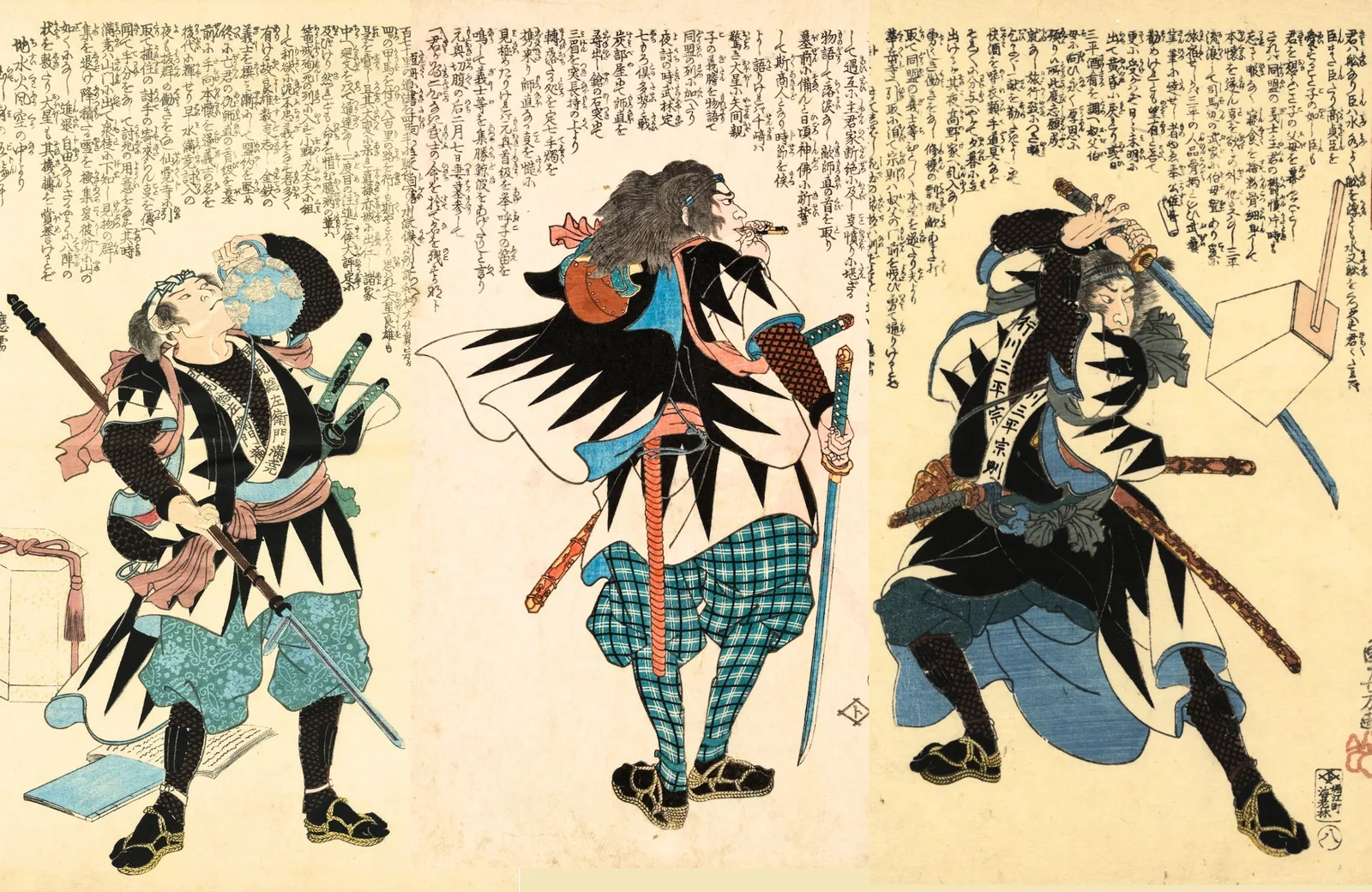
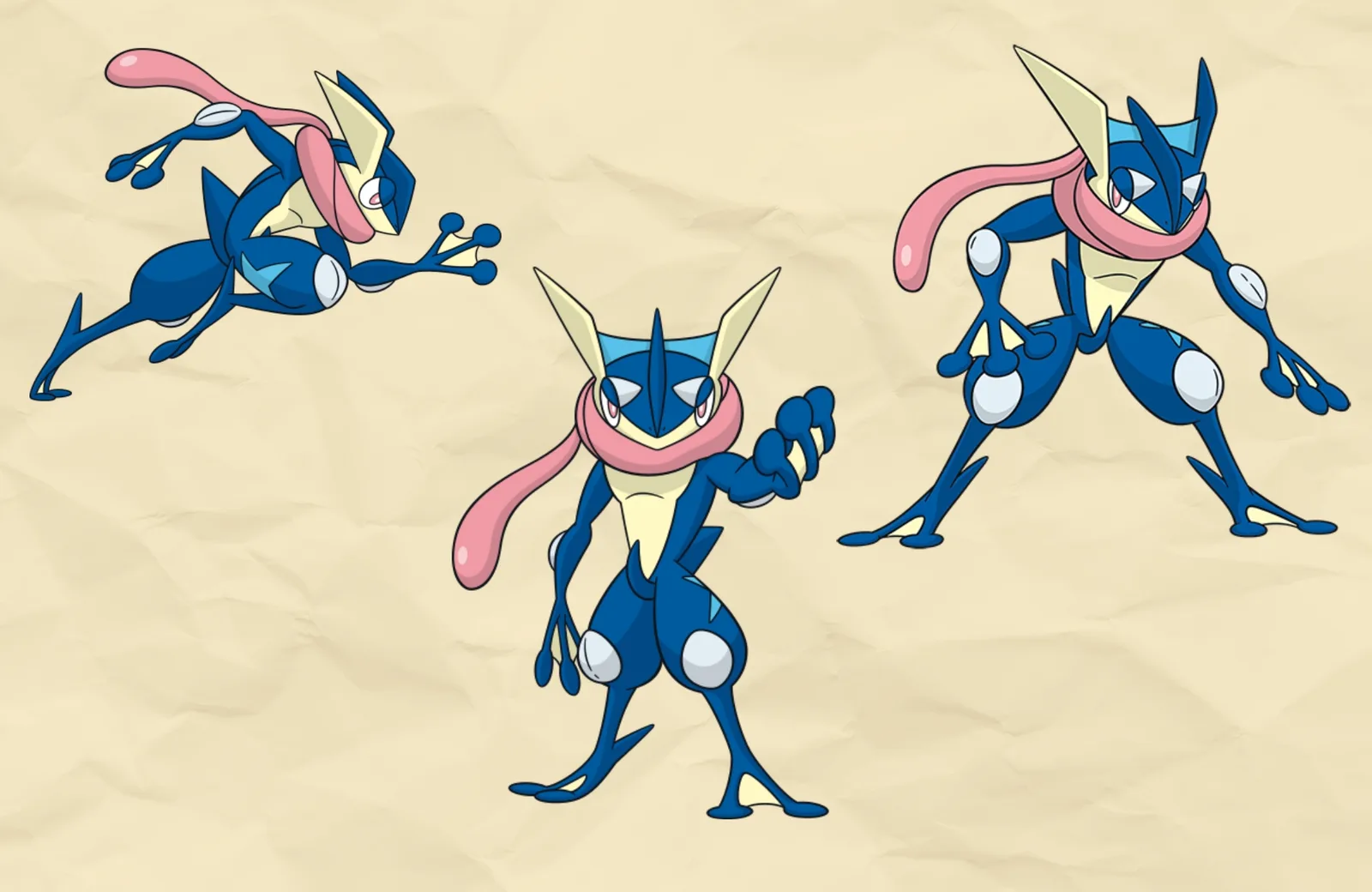
Another interesting bit of design is that Greninja has three fingers, but only two toes. We speculate that this may have been done to invoke the japanese split toe "tabi" sock. (you can see them in Kuniyoshi's prints for visual examples). It seems strange that they would make Greninja's feet have a different number of digits unless it was an intentional design choice.
Protean
This is one of the most interesting (and powerful, gameplay wise) Ninja tie-ins of Greninja's design. The Hidden Ability Protean allows Greninja to change its typing to whatever move it uses. Without background knowledge, this seems strange for a ninja themed Pokémon. To understand it, we must remember that Ninjas historically were masters not just of concealment, but disguise. They could become something they were not. (this also helps make sense of why it learns a move like Role Play The master of the castle's humble servant you were talking with could actually be his undercover shinobi agent, working to sniff out traitors. The priest you met on the road, the simple merchant selling goods in the market, any of them could be an undercover Samurai, trained in Shinobi Tactics, completely committed to his disguise.
The Scarf
Historical shinobi were unlikely to wear dramatic flowing scarves. They would have been impractical for covert missions. The familiar "ninja scarf" is instead a product of Japanese theater, manga, anime, and video games, where flowing cloth became a visual shorthand for speed, agility, and dynamic movement. Greninja and Frogadier both embrace this tradition in different ways. Greninja with its tongue (for better or worse) and Frogadier with its bubble scarf. One might wonder why they decided to change the scarf design so much in the final evolution, and what Greninja would look like with the continued bubble theme instead of its tongue.
Stats and Learnset
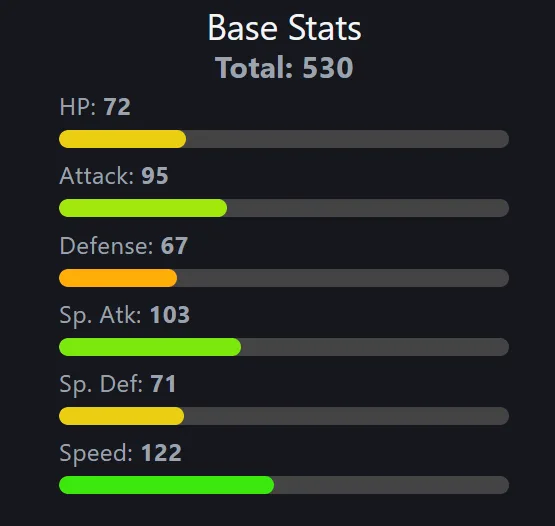
Greninja's stat distribution is interesting. You might imagine that it would be a fast, physical attacker. Surprisingly, its special attack is actually higher than its physical, which seems odd for a ninja based design. It is common for starters to have mixed attacking stats, allowing them to be good with a variety of different moves. However when we remember the popular character Jiraiya was both a sorcerer and a ninja (perhaps more sorcerer than ninja) the distribution makes more sense. Lower HP and defensive stats reinforce the lightly armored, fast attacking archetype.
Moves like Smokescreen, Water Shuriken, Shadow Sneak, Spikes, and Double Team, all lean into well known ninja themes, while moves like Role Play only make sense if you know the ninja's historical mastery of disguise.
Conclusion
Greninja isn't just a frog dressed like a ninja. It's line fully and masterfully incorporates both true shinobi history and cultural traditions into its design. Its appearance, Pokedex entries, stats, and learnsets all reflect the tactics that made historical ninjas famous. While plenty of myths have been added over the centuries, the Greninja line blends those legends with real elements of Japanese history to create one of Pokémon's most thoughtfully designed starters.
Sources and Further Reading
- NINJA: In Fiction and in Reality - National Diet Library, Japan (accessed 2026-07-26)
- https://shinobi-arts.com/en/glossary/shinobi-definition/ (accessed 2026-07-24)
- Jiraiya Goketsu Monogatari vol.初-38,40-42 vol.7, IZUMIYA Ichibee, 1866 [W114-N6]
- Bulbapedia
- Pokelore.net (accessed 2026-07-28)
- Merriam-Webster Dictionary Online (accessed 2026-07-28)
- Shinobi: Japan’s Legendary Assassins (Fact vs. Fiction) (accessed 2026-07-28)