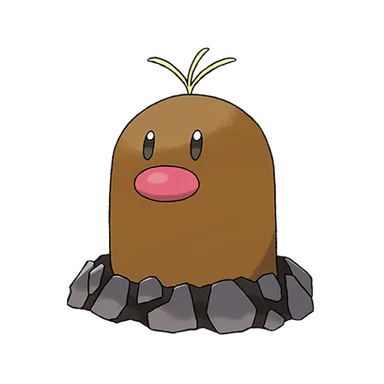
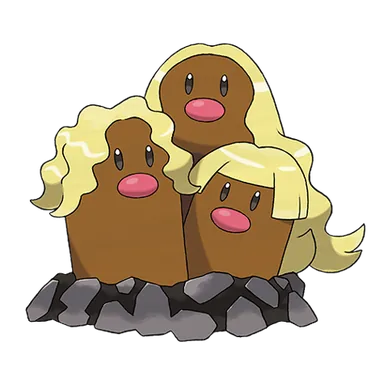
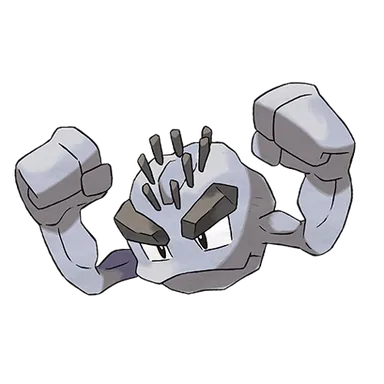
Alolan Diglett is Ground/Steel type, the Mole Pokémon, with a base stat total of 265.
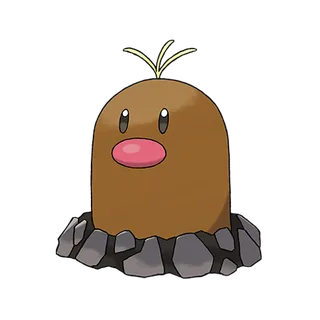
Alolan Diglett


Abilities
Ups evasion in a sandstorm.
Contact with the Pokémon lowers the attacker’s Speed stat.
Boosts certain moves’ power in a sandstorm.
Hidden AbilityBase Stats
Alolan Diglett's Weaknesses and Resistances







Evolution Chain
Alolan Diglett evolves into Alolan Dugtrio at level 26.
 Alolan Diglett
 Alolan Dugtrio
Forms
 Diglett
Learnsets
62 moves · Scarlet Violet
Level Up





Machine
Egg
Pokédex Entries
17 entries
Lives about one yard underground where it feeds on plant roots. It sometimes appears above ground.
It prefers dark places. It spends most of its time underground, though it may pop up in caves.
Its skin is very thin. If it is exposed to light, its blood heats up, causing it to grow weak.
If a DIGLETT DIGS through a field, it leaves the soil perfectly tilled and ideal for planting crops.
It digs underground and chews on tree roots, sticking its head out only when the sun isn't bright.
DIGLETT are raised in most farms. The reason is simple - wherever this POKéMON burrows, the soil is left perfectly tilled for planting crops. This soil is made ideal for growing delicious vegetables.
DIGLETT are raised in most farms. The reason is simple--wherever they burrow, the soil is left perfectly tilled for growing delicious crops.
It burrows through the ground at a shallow depth. It leaves raised earth in its wake, making it easy to spot.
Lives about one yard underground where it feeds on plant roots. It sometimes appears aboveground.
A Pokémon that lives underground. Because of its dark habitat, it is repelled by bright sunlight.
If a DIGLETT digs through a field, it leaves the soil perfectly tilled and ideal for planting crops.
Diglett are raised in most farms. The reason is simple— wherever this Pokémon burrows, the soil is left perfectly tilled for planting crops. This soil is made ideal for growing delicious vegetables.
It chews on plant roots underground. Farmers whose vegetables are vulnerable find it can be quite a pest.
Many farmers cherish and nurture Diglett because its droppings enrich the soil it lives in.
It travels through tunnels that it digs underground. It hates sunlight, so it comes out only after the sun goes down.
Around their crops, farmers plant the kind of tree that Diglett like to eat as a way of getting Diglett to plow the fields for them.
If a Diglett digs through a field, it leaves the soil perfectly tilled and ideal for planting crops.
Where To Find Alolan Diglett
8 locations
Diglett’s Tunnel · AlolaBubbling Spots, Walking · version details vary
Digletts Tunnel Area
Lush Jungle · AlolaWalking · version details vary
Lush Jungle East Cave
Route 5 · AlolaBubbling Spots · version details vary
Alola Route 5 Area
Route 7 · AlolaBubbling Spots · version details vary
Alola Route 7 Area
Seaward Cave · AlolaWalking · version details vary
Seaward Cave Area
Ten Carat Hill · AlolaWalking · version details vary
Ten Carat Hill Inside
Verdant Cavern · AlolaWalking · version details vary
Verdant Cavern Trial Site
Lavender Town · KantoNpc Trade · version details vary
Lavender Town Area
Held Items
1 items
- Sun: 5% chance
- Moon: 5% chance
- Ultra Sun: 5% chance
- Ultra Moon: 5% chance
Additional Images
PokeAPI sprites
Open this section to load extra PokeAPI sprite images.
Alolan Diglett Biology and Behavior
Form-specific biology is not available for Alolan Diglett; shared Diglett species prose is not shown as form-specific content.
Alolan Diglett Biological Data
- National Pokédex
- #50
- Species
- Mole Pokémon
- Height
- 0' 8" (0.2 m)
- Weight
- 2.2 lbs (1.0 kg)
- Habitat
- Cave
- Color
- Brown
- Body Style
- Blob
- Gender
- 50% female / 50% male
Misc
Catch Rate: 255
Base Experience: 53 Exp
Hatch Counter: 20
Alolan Diglett Size Comparison: BETA
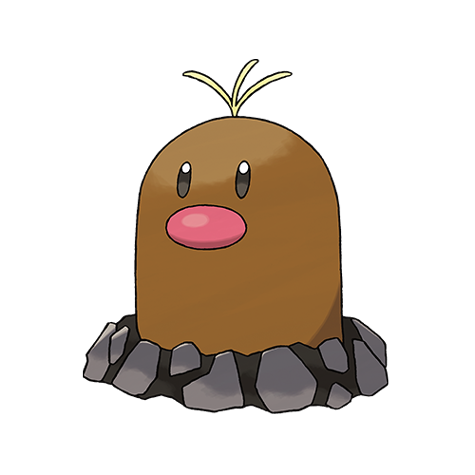
Alolan Diglett is listed at 0' 8" (0.2 m) and shown in an in-chart visual comparison.

How is visual size determined?
Pokédex height is treated as the official listed measurement, but the chart uses pose-aware visual scaling so each sprite looks reasonable in a direct comparison.
For long or coiled Pokémon, the listed height may represent total body length rather than upright height. For Pokémon with floppy ears, leaves, feathers, antennae, wings, or other flexible features, the chart usually measures to the top of the solid, substantial part of the head or body instead of the tallest decorative feature.
The goal is not to replace the official height, but to make the artwork compare naturally at the size it appears to occupy.