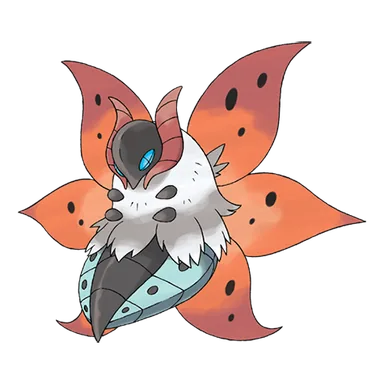
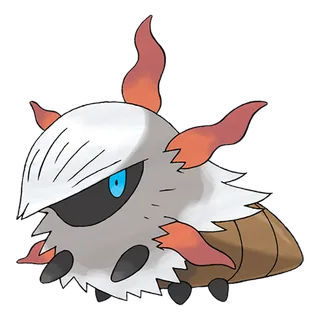
Larvesta is a Bug/Fire-type Pokémon introduced in Generation V and the first stage of its evolution line, with a base stat total of 360.
Larvesta


Abilities
Burns the foe on contact.
Ups BUG moves in a pinch.
Hidden AbilityBase Stats
Larvesta's Weaknesses and Resistances








Evolution Chain
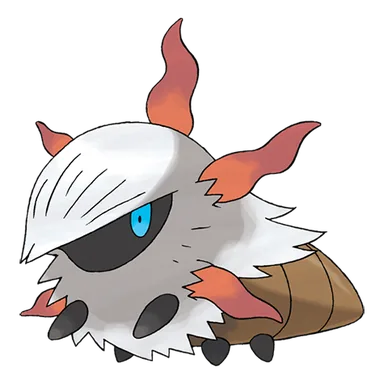
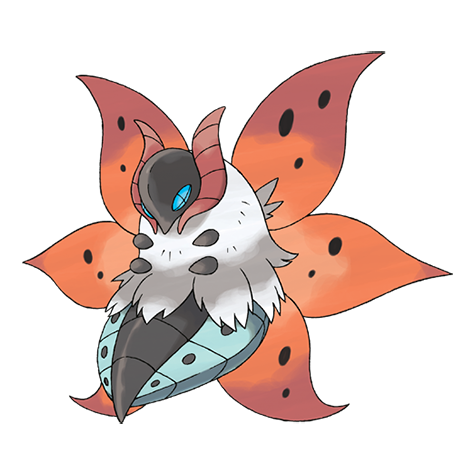
Larvesta evolves into Volcarona at level 59.
 Larvesta
 Volcarona
Larvesta Playthrough, Competitive, and Nuzlocke Usage
Using Larvesta in a Playthrough
Larvesta evolves into Volcarona at level 59, one of the latest ordinary level-based evolutions in the series, so the line requires a long investment before reaching its full potential. Volcarona is a Bug/Fire special sweeper with base 135 Special Attack, 105 Special Defense, and 100 Speed, and Quiver Dance is its defining move because one use raises Special Attack, Special Defense, and Speed simultaneously. Fiery Dance or Flamethrower and Bug Buzz provide reliable STAB, while Giga Drain, Psychic, Hurricane in some generations, Morning Sun or Roost where available, and later coverage can round out a sweeping set. Flame Body has a 30 percent chance to burn opponents that make contact, while the Hidden Ability Swarm boosts Bug-type moves when HP is low. The enormous drawback is the quadruple Rock weakness, which makes Rock coverage and especially Stealth Rock extremely dangerous; Water and Flying are also super effective. Timid is usually the safest nature because preserving base 100 Speed makes Quiver Dance sweeps easier, while Modest maximizes damage when speed control is already available.
Larvesta in Competitive Pokémon
Volcarona was a major BW OU win condition and remains one of the most iconic Quiver Dance sweepers in competitive Pokemon. Base 135 Special Attack, 100 Speed, strong Fire/Bug STAB, and Quiver Dance allow it to transform a single free turn into a potential sweep, while Giga Drain, Psychic, or Hidden Power in older generations can punish many conventional Fire-resistant answers. Flame Body also gives physical attackers a significant risk of being burned when they make contact. Its competitive success has always depended heavily on hazard control because a quadruple Rock weakness means Stealth Rock removes half of Volcarona's HP on entry in generations before Heavy-Duty Boots became available. Even with that flaw, Volcarona has remained relevant across many generations because the combination of Quiver Dance, strong STAB, and excellent special stats is difficult to replicate. It is best understood as a high-maintenance but extremely high-upside sweeper rather than a generally safe pivot.
Larvesta in Nuzlockes
Volcarona can become one of the strongest late-game Nuzlocke Pokemon available, but reaching level 59 with Larvesta is the main challenge. Once evolved, Quiver Dance can make Volcarona very difficult for special attackers to stop because it raises offense, Speed, and Special Defense together, while Giga Drain or reliable recovery can help offset chip damage. Rock attacks are the critical danger because they deal quadruple damage, and Stealth Rock can remove half of Volcarona's health immediately on entry. Flame Body is useful insurance against physical contact but should be treated as a bonus rather than a survival plan because the burn chance is not guaranteed. Flamethrower or Fiery Dance is generally safer than Fire Blast when the extra power is unnecessary, and Timid Volcarona is safest when it can set up against an opponent that lacks dangerous Rock, Water, or Flying coverage.
Learnsets
54 moves · Scarlet Violet
Level Up





Machine

Egg
Pokédex Entries
7 entries
This Pokémon was believed to have been born from the sun. When it evolves, its entire body is engulfed in flames.
The base of volcanoes is where they make their homes. They shoot fire from their five horns to repel attacking enemies.
Said to have been born from the sun, it spews fire from its horns and encases itself in a cocoon of fire when it evolves.
When battling opponents, it sprays fire from its five horns. The max temperature of the flames can reach nearly 5,500 degrees Fahrenheit.
It protects itself with flame. Long years ago, people believed Larvesta had a nest on the sun.
The people of ancient times believed that Larvesta fell from the sun.
Larvesta’s body is warm all over. It spouts fire from the tips of its horns to intimidate predators and scare prey.
Where To Find Larvesta
5 locations
Lush Jungle · AlolaWalking · version details vary
Lush Jungle East Cave
Mirage Forest · HoennWalking · version details vary
Mirage Forest (South of Route 111)
Mirage Island · HoennWalking · version details vary
Mirage Island (Route 114)
Friend Safari · KalosWalking · version details vary
Friend Safari (Fire)
Route 18 · UnovaGift Egg · version details vary
Road 18
Additional Images
PokeAPI sprites
Open this section to load extra PokeAPI sprite images.
Larvesta Biology and Behavior
Larvesta lives around the bases of volcanoes and fires flames from the five horns around its head to frighten predators or prey. Those flames can reach roughly 5,500 degrees Fahrenheit and are described as hot enough to cut through sheets of iron. Larvesta can even use the force of those flames to propel itself through the air. Ancient people believed it came from the sun, calling it an emissary of the sun, although its habit of causing forest fires also made it a serious nuisance.
Larvesta Biological Data
- National Pokédex
- #636
- Species
- Torch Pokémon
- Height
- 3' 7" (1.1 m)
- Weight
- 63.5 lbs (28.8 kg)
- Habitat
- Currently Unknown
- Color
- White
- Body Style
- Armor
- Gender
- 50% female / 50% male
Misc
Catch Rate: 45
Base Experience: 72 Exp
Hatch Counter: 40
Larvesta Size Comparison: BETA
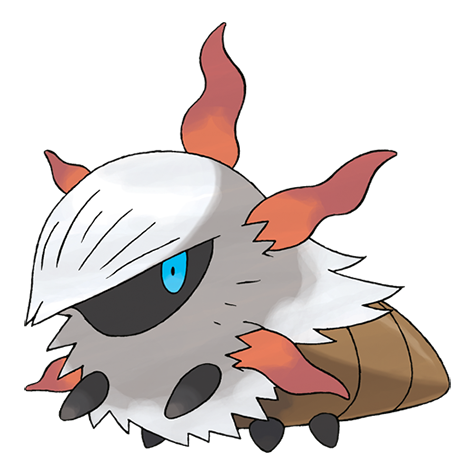
Larvesta is listed at 3' 7" (1.1 m) and shown in an in-chart visual comparison.

How is visual size determined?
Pokédex height is treated as the official listed measurement, but the chart uses pose-aware visual scaling so each sprite looks reasonable in a direct comparison.
For long or coiled Pokémon, the listed height may represent total body length rather than upright height. For Pokémon with floppy ears, leaves, feathers, antennae, wings, or other flexible features, the chart usually measures to the top of the solid, substantial part of the head or body instead of the tallest decorative feature.
The goal is not to replace the official height, but to make the artwork compare naturally at the size it appears to occupy.