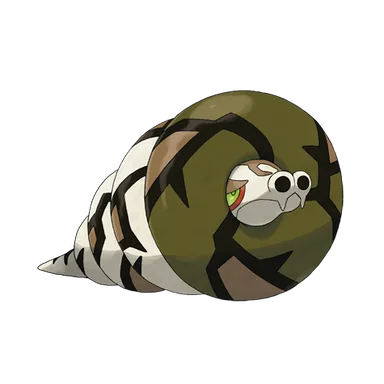
Silicobra is a Ground-type Pokémon introduced in Generation VIII and the first stage of its evolution line, with a base stat total of 315.
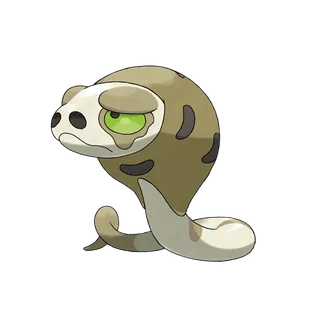
Silicobra

Abilities
Base Stats
Silicobra's Weaknesses and Resistances






Evolution Chain
Silicobra evolves into Sandaconda at level 36.
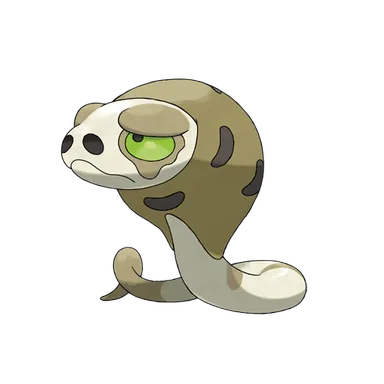 Silicobra
 Sandaconda
Silicobra Playthrough, Competitive, and Nuzlocke Usage
Using Silicobra in a Playthrough
Silicobra evolves into Sandaconda at level 36, which is later than many early-route Pokémon but still early enough for the final stage to contribute through a substantial portion of Sword/Shield or Scarlet/Violet. Sandaconda is a physically oriented Ground-type with base 107 Attack and 125 Defense, while 72 HP, 70 Special Defense, and 71 Speed make it much more reliable against physical attackers than special ones. Earthquake provides excellent accurate STAB, while Rock Slide or Stone Edge, Body Press, Fire Fang, Stealth Rock, Glare, and Coil support either direct attacking or defensive setup. Sand Spit automatically creates a sandstorm whenever Sandaconda is hit, supplying residual damage and potential team support, while Shed Skin has a one-third chance each turn to cure status and synergizes especially well with Rest; Sand Veil is a more situational Hidden Ability. Coil raises Attack, Defense, and accuracy simultaneously, making moves such as Stone Edge or Glare-support sets more reliable over time, but repeated setup is not always necessary during an ordinary story. Gigantamax Sandaconda surrounds itself with more than one million tons of swirling sand, and G-Max Sandblast traps the target and deals residual damage for four to five turns during Dynamax. Impish is excellent for maximizing its physical defensive role, while Adamant is useful when the player wants Sandaconda's base 107 Attack to produce stronger Earthquake damage.
Silicobra in Competitive Pokémon
Sandaconda has maintained a legitimate lower-tier defensive niche across both Generations VIII and IX. In Sword and Shield it is PU, where base 125 Defense, Stealth Rock, Glare, Earthquake, Coil, Rest, Shed Skin, and Sand Spit let it function as a physical wall, status spreader, or bulky setup sweeper. Shed Skin is particularly useful because Rest normally demands two turns of sleep, while Sandaconda has a one-third chance at the end of each turn to wake early by curing the sleep status automatically. Sand Spit offers a different role by establishing sand after any damaging hit, which can support teammates that benefit from sandstorm while also chipping opponents that are not Rock, Ground, or Steel. Gigantamax Sandaconda has more specialized Dynamax value because G-Max Sandblast traps the target and deals residual damage, but standard singles formats do not normally permit that form. Scarlet and Violet currently place Sandaconda in ZU, where it remains a good defensive Pokémon with Shed Skin, Rest, Stealth Rock, Glare, and Coil; Smogon's current analysis highlights its ability to check physical threats while noting that lower special bulk remains exploitable. Its recurring limitations are Water, Grass, and Ice weaknesses, only moderate Special Defense, and competition from other bulky Ground-types with more reliable immediate recovery.
Silicobra in Nuzlockes
Sandaconda can be a dependable Nuzlocke physical wall because base 125 Defense, an Electric immunity, and only three weaknesses make its defensive job relatively easy to understand. Earthquake is accurate and powerful, while Glare provides unusually broad paralysis support and can slow targets that would otherwise threaten slower teammates. Shed Skin is especially valuable in long battles because it may automatically clear poison, burn, paralysis, or sleep, and it makes Rest less punishing by creating a chance to wake before the normal sleep duration ends. Sand Spit can provide useful residual damage, but automatically starting sandstorm can also chip vulnerable teammates after a switch, so the weather should be treated as a team-wide effect rather than a free personal benefit. Coil is safer than many setup moves because it raises Defense and accuracy as well as Attack, yet repeated setup still exposes Sandaconda to critical hits or unexpected special coverage. Water-, Grass-, and Ice-type special attacks are the main danger because they target its weaker defensive side, so the safest approach is to exploit known physical matchups rather than relying on base 125 Defense as evidence that Sandaconda is universally bulky.
Learnsets
45 moves · Scarlet Violet
Level Up




Machine




Egg
Pokédex Entries
2 entries
As it digs, it swallows sand and stores it in its neck pouch. The pouch can hold more than 17 pounds of sand.
It spews sand from its nostrils. While the enemy is blinded, it burrows into the ground to hide.
Additional Images
PokeAPI sprites
Open this section to load extra PokeAPI sprite images.
Silicobra Biology and Behavior
Silicobra stores more than 17 pounds of swallowed sand inside a specialized pouch around its neck. That pouch becomes more elastic every time Silicobra sheds its skin, increasing the amount of material it can carry as the Pokémon matures. When threatened, it blasts stored sand from its nostrils to blind predators and then escapes by burrowing underground. Silicobra also buries itself in sand to ambush prey, using the same habitat both as refuge and hunting cover. Because its nostrils are highly specialized for ejecting sand rather than detecting scent, the species has a notably poor sense of smell.
Silicobra Biological Data
- National Pokédex
- #843
- Species
- Sand Snake Pokémon
- Height
- 7' 3" (2.2 m)
- Weight
- 16.8 lbs (7.6 kg)
- Habitat
- Currently Unknown
- Color
- Green
- Body Style
- Squiggle
- Gender
- 50% female / 50% male
Misc
Catch Rate: 255
Base Experience: 63 Exp
Hatch Counter: 20
Silicobra Size Comparison: BETA
Silicobra is listed at 7' 3" (2.2 m) and shown in an in-chart visual comparison.


How is visual size determined?
Pokédex height is treated as the official listed measurement, but the chart uses pose-aware visual scaling so each sprite looks reasonable in a direct comparison.
For long or coiled Pokémon, the listed height may represent total body length rather than upright height. For Pokémon with floppy ears, leaves, feathers, antennae, wings, or other flexible features, the chart usually measures to the top of the solid, substantial part of the head or body instead of the tallest decorative feature.
The goal is not to replace the official height, but to make the artwork compare naturally at the size it appears to occupy.