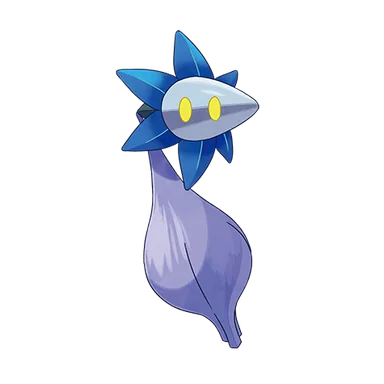
Glimmora is a Rock/Poison-type Pokémon introduced in Generation IX and a final stage of its evolution line, with a base stat total of 525.
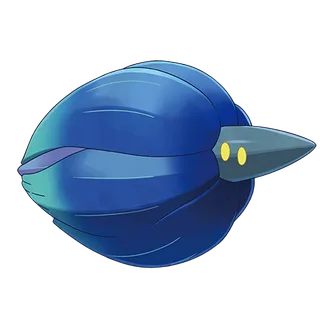
Glimmora


Abilities
Scatters poison spikes at the feet of the opposing team when the Pokémon takes damage from physical moves.
The Pokémon can poison the target even if it’s a Steel or Poison type.
Hidden AbilityBase Stats
Glimmora's Weaknesses and Resistances






Evolution Chain
Glimmet evolves into Glimmora at level 35.
 Glimmet
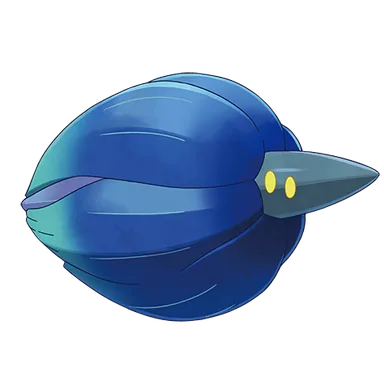 Glimmora
Forms
 Mega Glimmora
Glimmora Playthrough, Competitive, and Nuzlocke Usage
Using Glimmora in a Playthrough
Glimmet evolves into Glimmora at level 35, transforming a relatively small Rock/Poison Pokémon into a fast-enough special attacker with base 130 Special Attack and unusually strong hazard utility. Toxic Debris automatically scatters Toxic Spikes on the opposing side when Glimmora is struck by a physical attack, while its Hidden Ability Corrosion allows it to poison Steel- and Poison-type opponents that would normally be immune. Power Gem and Sludge Wave or Sludge Bomb provide reliable special STAB, Earth Power covers many Steel-types, and Mortal Spin simultaneously damages opponents, poisons them, and removes hazards or binding effects from Glimmora's side. Stealth Rock and Spikes let it serve as a lead or general support Pokémon even during the story, but Rock/Poison carries a dangerous 4× Ground weakness in addition to Water, Psychic, and Steel weaknesses. Its 83/90/81 bulk is respectable enough to survive some neutral hits but should not be confused with true defensive durability, especially when a physical Ground attack can exploit both the typing and Toxic Debris bait. Timid improves the useful but imperfect base 86 Speed, Modest maximizes immediate special damage, and defensive Natures are possible when emphasizing hazard support. Mega Glimmora was added later in the Mega Dimension DLC for Legends: Z-A and is therefore not part of an ordinary Scarlet/Violet playthrough; in Pokémon Champions its Mega form reaches 150 Special Attack, 101 Speed, 105 Defense, and 96 Special Defense and gains Adaptability, while Z-A itself uses its own battle-system rules rather than the conventional Ability framework.
Glimmora in Competitive Pokémon
Glimmora has remained one of SV OU's defining dedicated leads because few Pokémon compress hazard setting, hazard removal, poisoning pressure, and substantial special damage as efficiently. Toxic Debris punishes physical attacks by laying Toxic Spikes automatically, while Stealth Rock can be set manually and Mortal Spin removes opposing hazards while poisoning susceptible targets, forcing opponents to think carefully about how they attack or remove Glimmora. Base 130 Special Attack prevents it from being passive: Power Gem, Earth Power, Sludge Wave, or Meteor Beam can punish removal attempts and common switch-ins rather than merely sacrificing itself after setting hazards. Focus Sash is a natural lead item and Tera Ghost can deny Rapid Spin in emergencies, although spending Terastallization on a Pokémon designed to establish early-game tempo carries a real opportunity cost. Its 4× Ground weakness, average base 86 Speed, vulnerability to strong special walls, and the ability of Poison-types or Heavy-Duty Boots teams to blunt hazard pressure are the principal limitations. Mega Glimmora adds a genuinely new 2026 competitive branch in Pokémon Champions: Smogon's current Champions Pokédex lists both Glimmora and Mega Glimmora in OU, with Mega Glimmora using Adaptability and a 625 BST distribution of 83/90/105/150/96/101. Because Mega Glimmora is new, its confirmed current role as an Adaptability special attacker or lead should be distinguished from regular Glimmora's much longer-established SV OU hazard history rather than presented as though the Mega has years of tournament development.
Glimmora in Nuzlockes
Glimmora is powerful in a Nuzlocke because level 35 evolution, base 130 Special Attack, good coverage, and perfectly accurate options such as Power Gem and Earth Power allow many opponents to be removed before they can exploit its weaknesses. Toxic Debris can generate free long-term value when Glimmora survives a physical hit, but deliberately inviting contact just to create Toxic Spikes is poor permadeath strategy when safer hazard setup is available. The 4× Ground weakness is the central survival problem: Earthquake and other Ground coverage can overwhelm its otherwise respectable 83/90/81 bulk, so unknown physical attackers should be treated cautiously. Mortal Spin is useful because it clears entry hazards without self-sacrifice and is perfectly accurate, though its low physical damage means it should be used for utility rather than expected knockouts. Corrosion enables Toxic against Steel and Poison foes, but Toxic Debris generally provides more passive value unless a specific matchup rewards Corrosion. Self-Destruct, Explosion, and Memento directly conflict with keeping the Pokémon alive and should normally be excluded from a conventional Nuzlocke moveset. Mega Glimmora's later Z-A appearance substantially improves its combat stats, but that form belongs to a different game and battle system and should not be projected backward onto Scarlet/Violet Nuzlocke planning.
Learnsets
56 moves · Scarlet Violet
Level Up




Machine

Pokédex Entries
2 entries
When this Pokémon detects danger, it will open up its crystalline petals and fire beams from its conical body.
Glimmora’s petals are made of crystallized poison energy. It has recently become evident that these petals resemble Tera Jewels.
Additional Images
PokeAPI sprites
Open this section to load extra PokeAPI sprite images.
Glimmora Biology and Behavior
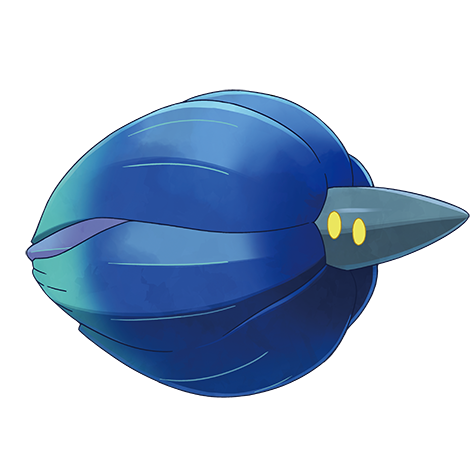
Glimmora is a flower-like mineral Pokémon composed of layered petals made from crystallized poison, normally keeping its body partly closed around a translucent central cone. It attaches itself to walls, disguises itself as a plant, and draws energy and nutrients from the surface; when threatened it opens its petals and fires beams from its body. Glimmora can cooperate with groups of Glimmet when defending against enemies. Its distribution in Area Zero, the underdepths, and Kitakami's Crystal Pool, together with the resemblance of its petals to Tera Jewels, has prompted an in-universe suspected connection to Terastallization, although the precise relationship remains unresolved.
Glimmora Biological Data
- National Pokédex
- #970
- Species
- Ore Pokémon
- Height
- 4' 11" (1.5 m)
- Weight
- 99.2 lbs (45.0 kg)
- Habitat
- Currently Unknown
- Color
- Blue
- Body Style
- Ball
- Gender
- 50% female / 50% male
Misc
Catch Rate: 25
Base Experience: 184 Exp
Hatch Counter: 30
Glimmora Size Comparison: BETA
Glimmora is listed at 4' 11" (1.5 m) and shown in an in-chart visual comparison.

How is visual size determined?
Pokédex height is treated as the official listed measurement, but the chart uses pose-aware visual scaling so each sprite looks reasonable in a direct comparison.
For long or coiled Pokémon, the listed height may represent total body length rather than upright height. For Pokémon with floppy ears, leaves, feathers, antennae, wings, or other flexible features, the chart usually measures to the top of the solid, substantial part of the head or body instead of the tallest decorative feature.
The goal is not to replace the official height, but to make the artwork compare naturally at the size it appears to occupy.