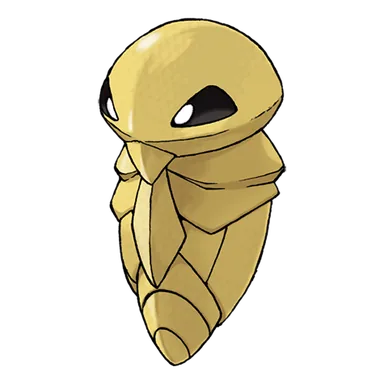
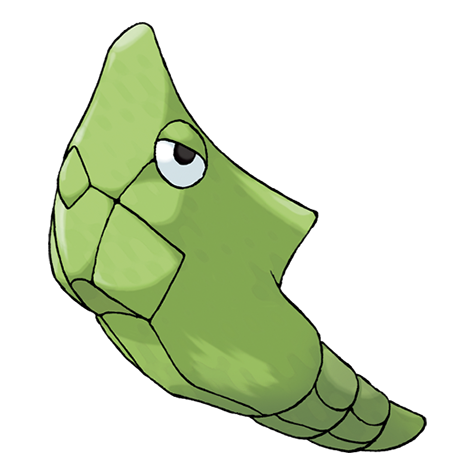
Metapod is a Bug-type Pokémon introduced in Generation I and a middle stage of its evolution line, with a base stat total of 205.
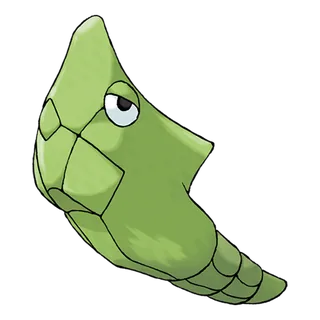
Metapod

Abilities
Heals the body by shedding.
Base Stats
Metapod's Weaknesses and Resistances





Evolution Chain
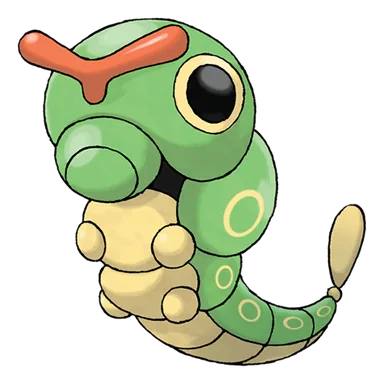
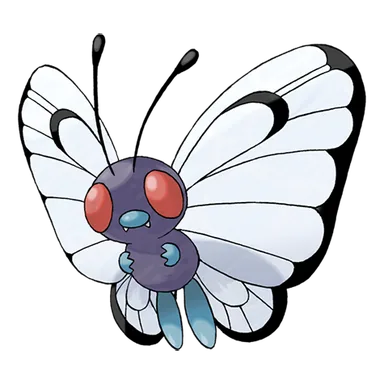
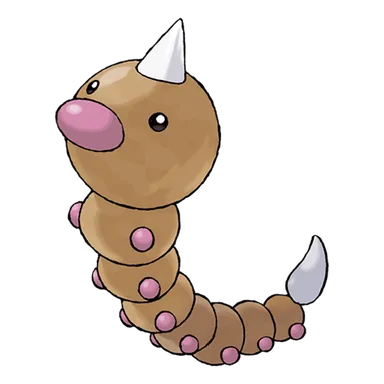
Caterpie evolves into Metapod at level 7, and Metapod evolves into Butterfree at level 10.
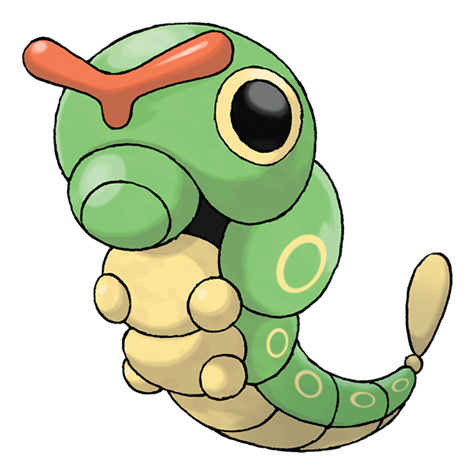 Caterpie
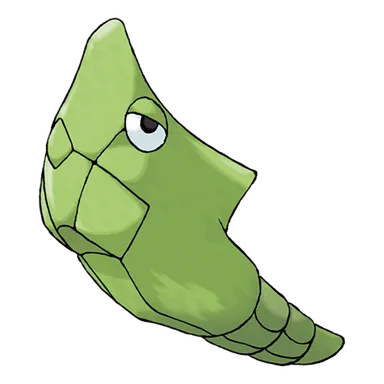 Metapod
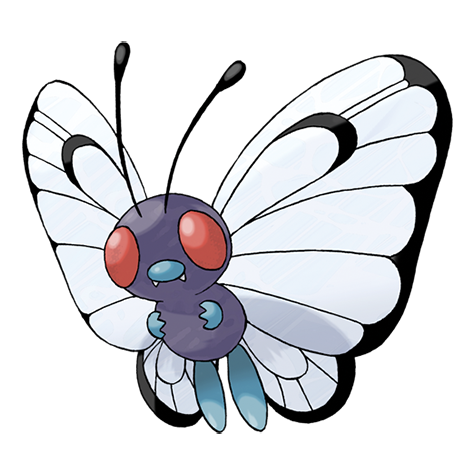 Butterfree
Metapod Playthrough, Competitive, and Nuzlocke Usage
Using Metapod in a Playthrough
The Caterpie line's main playthrough advantage is how quickly it reaches its final evolution, becoming Butterfree at level 10 and providing a fully evolved Pokemon much earlier than most alternatives. Butterfree's access to sleep and paralysis moves gives it utility beyond direct damage, while Compound Eyes from Generation III onward makes its inaccurate powder moves substantially more reliable. In later generations, Quiver Dance can give Butterfree a legitimate sweeping option by increasing Special Attack, Special Defense, and Speed. Its low overall stats and Bug/Flying typing become increasingly limiting as stronger Pokemon evolve and enemy movesets improve, so Butterfree generally has its greatest impact in the early and middle portions of a playthrough.
Metapod in Competitive Pokémon
Butterfree has historically occupied a niche competitive role built around status and setup rather than raw stats. Compound Eyes makes Sleep Powder unusually reliable, creating opportunities to use Quiver Dance, while Tinted Lens can reduce the number of opponents able to safely resist its attacks. Smogon analyses across multiple generations describe this combination as Butterfree's primary path to functioning as a setup sweeper, particularly in lower tiers. Poor defensive stats, mediocre Speed before boosting, and a quadruple weakness to Rock that makes Stealth Rock especially punishing have prevented Butterfree from consistently competing at higher levels.
Metapod in Nuzlockes
The Caterpie line is valuable in Nuzlockes primarily because it evolves extremely early, giving the player access to Butterfree's comparatively strong early-game stats and status moves while the available encounter pool is still small. In FireRed and LeafGreen, Compound Eyes combined with Sleep Powder is especially useful for neutralizing dangerous opponents and safely securing difficult encounters, and community Nuzlocke analyses repeatedly identify this as Butterfree's defining strength. Its usefulness declines as enemy Pokemon become stronger because its defenses remain low and Bug/Flying leaves it vulnerable to several common attacking types, including a quadruple Rock weakness. Butterfree therefore tends to be safest as a status specialist or controlled setup attacker rather than a Pokemon expected to repeatedly absorb direct hits.
Learnsets
2 moves · Brilliant Diamond Shining Pearl


Pokédex Entries
18 entries
This POKéMON is vulnerable to attack while its shell is soft, exposing its weak and tender body.
Hardens its shell to protect itself. However, a large impact may cause it to pop out of its shell.
Inside the shell, it is soft and weak as it prepares to evolve. It stays motionless in the shell.
It prepares for evolution by hardening its shell as much as possible to protect its soft body.
This is its pre- evolved form. At this stage, it can only harden, so it remains motionless to avoid attack.
The shell covering this POKéMON’s body is as hard as an iron slab. METAPOD does not move very much. It stays still because it is preparing its soft innards for evolution inside the hard shell.
Its shell is as hard as an iron slab. A METAPOD does not move very much because it is preparing its soft innards for evolution inside the shell.
Even though it is encased in a sturdy shell, the body inside is tender. It can’t withstand a harsh attack.
A steel-hard shell protects its tender body. It quietly endures hardships while awaiting evolution.
Inside the shell, it is soft and weak as it prepares to evolve. It stays motionless in the shell.
It prepares for evolution by hardening its shell as much as possible to protect its soft body.
This Pokémon is vulnerable to attack while its shell is soft, exposing its weak and tender body.
The shell covering this Pokémon’s body is as hard as an iron slab. Metapod does not move very much. It stays still because it is preparing its soft innards for evolution inside the hard shell.
Its shell is filled with its soft innards. It doesn’t move much because of the risk it might carelessly spill its innards out.
Its shell is hard, but it’s still just a bug shell. It’s been known to break, so intense battles with it should be avoided.
Its shell is filled with a thick liquid. All of the cells throughout its body are being rebuilt in preparation for evolution.
Its hard shell doesn’t crack a bit even if Pikipek pecks at it, but it will tip over, spilling out its insides.
It is waiting for the moment to evolve. At this stage, it can only harden, so it remains motionless to avoid attack.
Where To Find Metapod
27 locations
Lush Jungle · AlolaWalking · version details vary
Lush Jungle North
Lush Jungle South
Lush Jungle West
Melemele Meadow · AlolaWalking · version details vary
Melemele Meadow Area
Route 1 · AlolaWalking · version details vary
Alola Route 1 South
Alola Route 1 West
Route 5 · AlolaWalking · version details vary
Alola Route 5 Area
Azalea Town · JohtoHeadbutt Low, Headbutt Normal · version details vary
Azalea Town
Ilex Forest · JohtoHeadbutt High, Walking, Headbutt Low, Headbutt Normal, +1 more · version details vary
Ilex Forest
Lake of Rage · JohtoHeadbutt Low, Headbutt Normal · version details vary
Lake of Rage
National Park · JohtoWalking · version details vary
National Park
Route 30 · JohtoWalking · version details vary
Road 30
Route 31 · JohtoWalking · version details vary
Road 31
Route 34 · JohtoHeadbutt Low, Headbutt Normal · version details vary
Road 34
Route 35 · JohtoHeadbutt Low, Headbutt Normal · version details vary
Road 35
Route 36 · JohtoHeadbutt Low, Headbutt Normal · version details vary
Road 36
Route 37 · JohtoHeadbutt Low, Headbutt Normal · version details vary
Road 37
Route 38 · JohtoHeadbutt Low, Headbutt Normal · version details vary
Road 38
Route 39 · JohtoHeadbutt Low, Headbutt Normal · version details vary
Road 39
Route 47 · JohtoHeadbutt · version details vary
Road 47
Santalune Forest · KalosWalking · version details vary
Santalune Forest
Pattern Bush · KantoWalking · version details vary
Pattern Bush
Route 2 · KantoWalking · version details vary
Road 2 (north, towards Pewter City)
Road 2 (south, towards Viridian City)
Route 24 · KantoWalking · version details vary
Road 24
Route 25 · KantoWalking · version details vary
Road 25
Route 26 · KantoHeadbutt Low, Headbutt Normal · version details vary
Road 26
Route 27 · KantoHeadbutt Low, Headbutt Normal · version details vary
Road 27
Viridian Forest · KantoWalking, Overworld · version details vary
Viridian Forest
Eterna Forest · SinnohWalking · version details vary
Eterna Forest
Route 12 · UnovaDark Grass, Walking · version details vary
Road 12
Additional Images
PokeAPI sprites
Open this section to load extra PokeAPI sprite images.
Metapod Biology and Behavior
Metapod is a largely immobile pupal stage whose soft body is protected by a hardened outer shell while extensive cellular reconstruction takes place inside. Its shell is described as extremely hard, but a sufficiently powerful impact can rupture it and expose its vulnerable, almost liquid interior. Metapod normally remains motionless and responds to danger primarily by hardening its shell rather than attacking or fleeing. Wild Metapod are found in forests and jungles and may gather in groups while awaiting evolution.
Metapod Biological Data
- National Pokédex
- #11
- Species
- Cocoon Pokémon
- Height
- 2' 4" (0.7 m)
- Weight
- 21.8 lbs (9.9 kg)
- Habitat
- Forest
- Color
- Green
- Body Style
- Squiggle
- Gender
- 50% female / 50% male
Misc
Catch Rate: 120
Base Experience: 72 Exp
Hatch Counter: 15
Metapod Size Comparison: BETA
Metapod is listed at 2' 4" (0.7 m) and shown in an in-chart visual comparison.

How is visual size determined?
Pokédex height is treated as the official listed measurement, but the chart uses pose-aware visual scaling so each sprite looks reasonable in a direct comparison.
For long or coiled Pokémon, the listed height may represent total body length rather than upright height. For Pokémon with floppy ears, leaves, feathers, antennae, wings, or other flexible features, the chart usually measures to the top of the solid, substantial part of the head or body instead of the tallest decorative feature.
The goal is not to replace the official height, but to make the artwork compare naturally at the size it appears to occupy.