Gligar is a Ground/Flying-type Pokémon introduced in Generation II and the first stage of its evolution line, with a base stat total of 430.
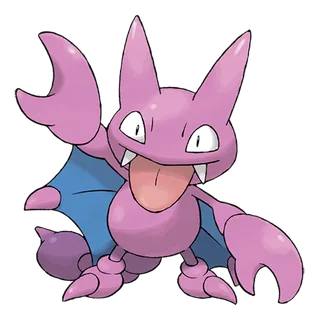
Gligar


Abilities
Prevents ATTACK reduction.
Ups evasion in a sandstorm.
Prevents poisoning.
Hidden AbilityBase Stats
Gligar's Weaknesses and Resistances






Evolution Chain
Gligar evolves into Gliscor by leveling up holding Razor Fang during the night.
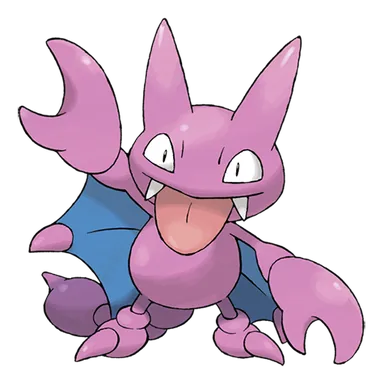 Gligar
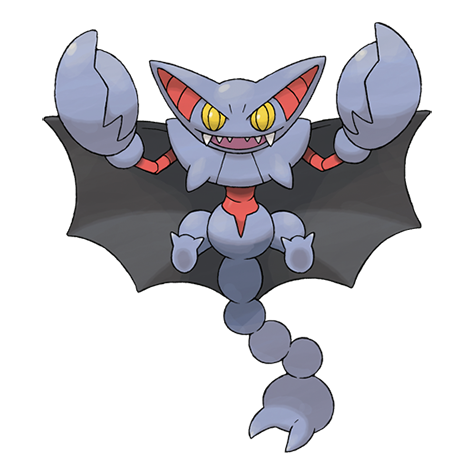 Gliscor
Gligar Playthrough, Competitive, and Nuzlocke Usage
Using Gligar in a Playthrough
The Gligar line combines one of the strongest defensive type pairings available to a physical Pokemon with excellent Defense, useful Speed, and reliable Ground offense. Ground/Flying typing gives Gligar and Gliscor complete immunities to both Electric and Ground attacks, useful resistances to Fighting, Bug, and Poison, and only two weaknesses—Water and a dangerous quadruple weakness to Ice. Gligar itself is already unusually sturdy for an unevolved Pokemon with base 105 Defense and respectable Speed, but from Generation IV onward it can evolve into Gliscor by leveling at night while holding a Razor Fang, although access to that item can be late or inconvenient in some games. Gliscor improves to base 125 Defense, 95 Attack, and 95 Speed, making Earthquake, Swords Dance, U-turn, Knock Off, Roost, and various utility moves fit naturally with its stats. Poison Heal can make Gliscor exceptionally durable when legitimately available, but because it is a Hidden Ability in many games a normal playthrough should not assume access to it.
Gligar in Competitive Pokémon
Gliscor has been one of the most consistently successful defensive and utility Pokemon introduced through a later evolution, with repeated high-tier relevance built around excellent typing, physical bulk, and an enormous support movepool. Its defining modern ability is Poison Heal: when poisoned, Gliscor restores one-eighth of its maximum HP each turn and cannot be afflicted with another major status condition, making Toxic Orb both a recovery engine and a form of status protection. This combination has supported everything from Swords Dance wallbreakers to stallbreakers, Stealth Rock or Defog users, Knock Off and U-turn utility sets, and extremely durable defensive pivots. Smogon has described Gliscor as a defining presence in formats such as Generation VII OU because Poison Heal, Roost, Ground/Flying typing, and its broad movepool make it unusually difficult for passive teams to wear down. Its most exploitable flaw is the quadruple Ice weakness, while strong special Water or neutral attacks can also overwhelm its weaker special side if Gliscor is asked to absorb too much.
Gligar in Nuzlockes
Gligar is already a strong Nuzlocke encounter because high physical Defense and dual Electric and Ground immunities create many predictable, completely safe switching opportunities. Its defensive profile is easy to understand but unforgiving at the extremes: Water attacks are dangerous and Ice attacks are potentially catastrophic because the line takes quadruple damage from them. Gliscor substantially improves the line's Attack and overall physical durability while retaining good Speed, making it capable of both absorbing physical hits and ending favorable matchups efficiently with Earthquake or coverage. Poison Heal is exceptional in a Nuzlocke if legitimately available because controlled poisoning becomes passive recovery and protects Gliscor from other status, but Hidden Ability availability varies enough that it should be treated as a bonus rather than an assumed feature. The Razor Fang evolution requirement can also delay access to Gliscor in some games, leaving the still-usable Gligar as the practical endpoint for part or all of a run.
Learnsets
81 moves · Scarlet Violet
Level Up




Machine




Egg
Pokédex Entries
11 entries
It flies straight at its target's face then clamps down on the startled victim to inject poison.
It usually clings to cliffs. When it spots its prey, it spreads its wings and glides down to attack.
It builds its nest on a steep cliff. When it is done gliding, it hops along the ground back to its nest.
GLIGAR glides through the air without a sound as if it were sliding. This POKéMON hangs on to the face of its foe using its clawed hind legs and the large pincers on its forelegs, then injects the prey with its poison barb.
It glides without making a single sound. It grasps the face of its foe using its hind and large front claws, then stabs with its poison barb.
It flies straight at its target’s face, then clamps down on the startled victim to inject poison.
It sails on the winds with its limbs extended to strike from the sky. It aims for the prey’s face.
It glides as if sliding. It startles foes by clamping on to their faces, then jabs with its poison stinger.
It clamps on to its chosen prey then jabs the stinger on its tail into the prey while it’s stunned with surprise.
Gligar glides through the air without a sound as if it were sliding. This Pokémon hangs on to the face of its foe using its clawed hind legs and the large pincers on its forelegs, then injects the prey with its poison barb.
Its tail is tipped by a thick, horrible stinger. To bring down prey, it will first obscure their vision by covering their faces with its body, and then it will use the stinger to inject them with venom.
Where To Find Gligar
15 locations
Safari Zone · HoennWalking · version details vary
Safari Zone (expansion south)
Route 45 · JohtoWalking · version details vary
Road 45
Route 19 · KalosHorde · version details vary
Road 19
Pokespot · OrrePokespot · version details vary
Rock Pokespot
Snagem Hideout · OrreSnag Rematch · version details vary
Snagem Hideout 1F
The Under · OrreSnag · version details vary
The Under (Subway)
Route 206 · SinnohWalking · version details vary
Road 206
Route 207 · SinnohWalking · version details vary
Road 207
Route 214 · SinnohWalking · version details vary
Road 214
Route 215 · SinnohWalking · version details vary
Road 215
Route 227 · SinnohWalking · version details vary
Road 227
Stark Mountain · SinnohWalking · version details vary
Stark Mountain exterior
Route 11 · UnovaDark Grass, Walking · version details vary
Road 11
Route 15 · UnovaDark Grass, Walking · version details vary
Road 15
Route 23 · UnovaDark Grass, Walking, Hidden Grotto · version details vary
Road 23
Unova Route 23 (Hidden Grotto)
Additional Images
PokeAPI sprites
Open this section to load extra PokeAPI sprite images.
Gligar Biology and Behavior
Gligar is a cliff-dwelling glider that launches from high places, spreads the membranes between its limbs, and moves through the air smoothly and almost silently rather than relying on ordinary flapping flight. It can emit sound waves to detect obstacles while gliding, giving it an echolocation-like ability that helps it navigate even when visibility is poor. When attacking, Gligar may fly directly at a target, clamp onto the victim's face with its hind claws and pincers, and then strike with the poisonous stinger at the end of its segmented tail. It feeds on Berries as well as other food and is naturally resistant to venom, while cliff faces and mountainous boreal regions provide its preferred nesting sites. Once a glide ends, Gligar is comparatively awkward on the ground and hops back toward its nest rather than walking efficiently.
Gligar Biological Data
- National Pokédex
- #207
- Species
- Fly Scorpion Pokémon
- Height
- 3' 7" (1.1 m)
- Weight
- 142.9 lbs (64.8 kg)
- Habitat
- Mountain
- Color
- Purple
- Body Style
- Wings
- Gender
- 50% female / 50% male
Misc
Catch Rate: 60
Base Experience: 86 Exp
Hatch Counter: 20
Gligar Size Comparison: BETA
Gligar is listed at 3' 7" (1.1 m) and shown in an in-chart visual comparison.
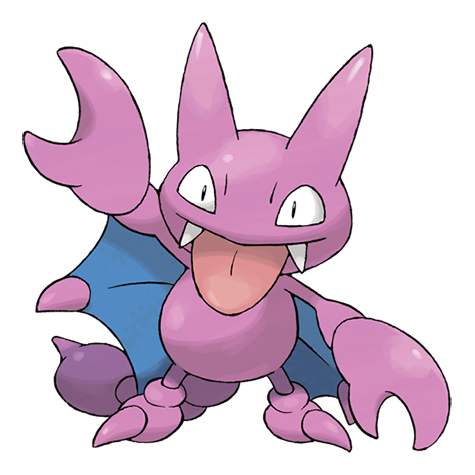

How is visual size determined?
Pokédex height is treated as the official listed measurement, but the chart uses pose-aware visual scaling so each sprite looks reasonable in a direct comparison.
For long or coiled Pokémon, the listed height may represent total body length rather than upright height. For Pokémon with floppy ears, leaves, feathers, antennae, wings, or other flexible features, the chart usually measures to the top of the solid, substantial part of the head or body instead of the tallest decorative feature.
The goal is not to replace the official height, but to make the artwork compare naturally at the size it appears to occupy.