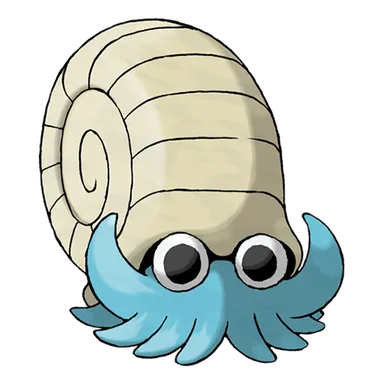
Omastar is a Rock/Water-type Pokémon introduced in Generation I and a final stage of its evolution line, with a base stat total of 495.
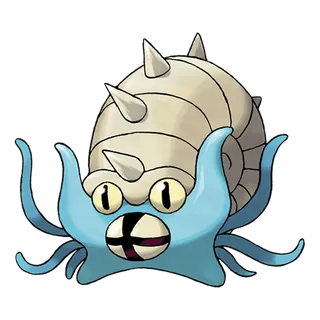
Omastar


Abilities
Raises SPEED in rain.
Blocks critical hits.
Physical attacks lower Defense and raise Speed.
Hidden AbilityBase Stats
Omastar's Weaknesses and Resistances






Evolution Chain
Omanyte evolves into Omastar at level 40.
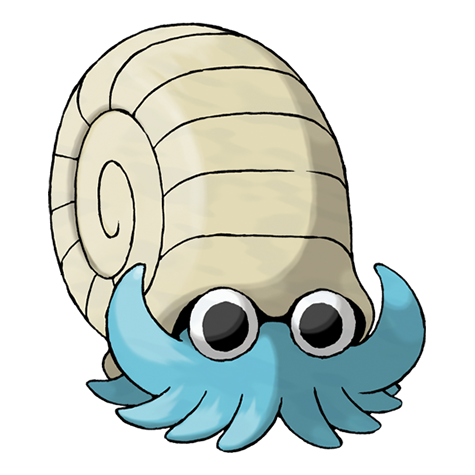 Omanyte
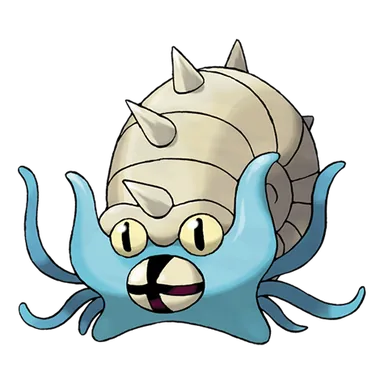 Omastar
 Playthrough, Competitive, and Nuzlocke Usage
Using Omastar in a Playthrough
The Omanyte line develops into Omastar, a slow Water/Rock Pokemon with enormous physical Defense and strong Special Attack. Water STAB uses Omastar's better attacking stat even in pre-split generations, while Ice coverage and Rock attacks provide useful additional matchups; from Generation V onward, Shell Smash can turn Omastar from a slow tank into a dangerous sweeper. Its quadruple Grass weakness and additional Electric, Fighting, and Ground weaknesses make some matchups extremely unsafe. Fossil revival timing is the main playthrough drawback, especially in Kanto where Omanyte arrives late and requires substantial leveling before evolving at level 40.
Omastar in Competitive Pokémon
Omastar has two major competitive identities: hazard support and Shell Smash offense. High Defense and useful resistances can create opportunities to establish Stealth Rock or Spikes in formats where available, while Shell Smash sharply raises its offenses and Speed and lets its high Special Attack threaten sweeps. Swift Swim provides a separate rain-based route. The quadruple Grass weakness and low unboosted Speed remain easy points of exploitation.
Omastar in Nuzlockes
Omastar can be useful in late Kanto Nuzlockes because its physical bulk and strong special Water offense give it favorable matchups against selected remaining bosses, but the fossil is revived late and at a low level, creating a significant training cost. Its quadruple Grass weakness and poor Speed mean the wrong matchup can still be fatal despite excellent Defense. Later generations improve its sweeping potential with Shell Smash but also introduce setup-related risk. Omastar is therefore powerful when deliberately prepared but not an effortless late-game addition.
Learnsets
16 moves · Brilliant Diamond Shining Pearl
Level Up — Brilliant Diamond Shining Pearl




Pokédex Entries
17 entries
A prehistoric POKéMON that died out when its heavy shell made it impossible to catch prey.
Sharp beaks ring its mouth. Its shell was too big for it to move freely, so it became extinct.
Apparently, it cracked SHELLDER's shell with its sharp fangs and sucked out the insides.
Once wrapped around its prey, it never lets go. It eats the prey by tearing at it with sharp fangs.
Its heavy shell allowed it to reach only nearby food. This could be the reason it is extinct.
OMASTAR uses its tentacles to capture its prey. It is believed to have become extinct because its shell grew too large and heavy, causing its movements to become too slow and ponderous.
An OMASTAR uses its tentacles to capture its prey. It is believed to have become extinct because its shell grew too large, making its movements slow and ponderous.
Its tentacles are highly developed as if they are hands and feet. As soon as it ensnares prey, it bites.
Despite having strong fangs and tentacles, it went extinct when its heavy shell made it unable to catch prey.
It is thought that this Pokémon became extinct because its spiral shell grew too large.
Apparently, it cracked SHELLDER’s shell with its sharp fangs and sucked out the insides.
Omastar uses its tentacles to capture its prey. It is believed to have become extinct because its shell grew too large and heavy, causing its movements to become too slow and ponderous.
Its heavy shell is thought to be the reason this ancient Pokémon died out. It’s apparently a distant ancestor of Octillery.
It wraps its prey in its tentacles to immobilize them and then finishes them off with its sharp fangs.
Its sharp beak rings its mouth. Its shell was too big for it to move freely, so it became extinct.
Weighed down by a large and heavy shell, Omastar couldn’t move very fast. Some say it went extinct because it was unable to catch food.
Omastar’s sharp fangs could crush rock, but the Pokémon can attack only the prey that come within reach of its tentacles.
Additional Images
PokeAPI sprites
Open this section to load extra PokeAPI sprite images.
Omastar Biology and Behavior
Omastar captures prey with its tentacles and uses a strong beak to break hard shells, including those of Shellder, before consuming the soft contents. Its heavy shell makes movement relatively slow. Pokemon-world researchers have proposed that this cumbersome shell contributed to the species' extinction.
Omastar Biological Data
- National Pokédex
- #139
- Species
- Spiral Pokémon
- Height
- 3' 3" (1.0 m)
- Weight
- 77.2 lbs (35.0 kg)
- Habitat
- Sea
- Color
- Blue
- Body Style
- Tentacles
- Gender
- 12.5% female / 87.5% male
Misc
Catch Rate: 45
Base Experience: 173 Exp
Hatch Counter: 30
Omastar Size Comparison: BETA
Omastar is listed at 3' 3" (1.0 m) and shown in an in-chart visual comparison.
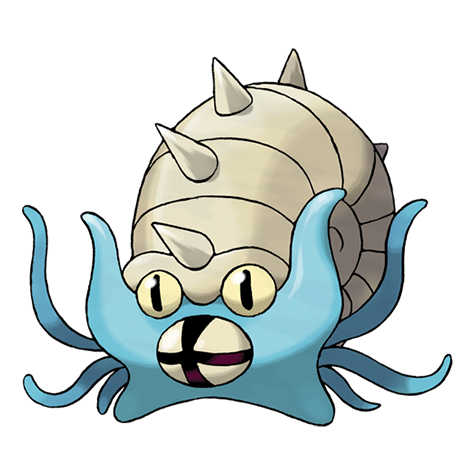

How is visual size determined?
Pokédex height is treated as the official listed measurement, but the chart uses pose-aware visual scaling so each sprite looks reasonable in a direct comparison.
For long or coiled Pokémon, the listed height may represent total body length rather than upright height. For Pokémon with floppy ears, leaves, feathers, antennae, wings, or other flexible features, the chart usually measures to the top of the solid, substantial part of the head or body instead of the tallest decorative feature.
The goal is not to replace the official height, but to make the artwork compare naturally at the size it appears to occupy.