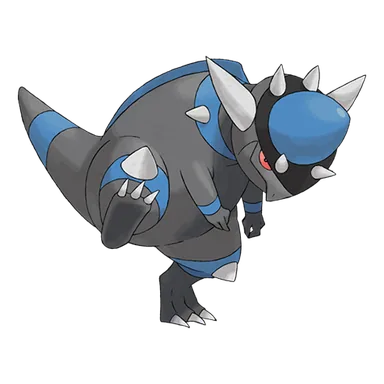
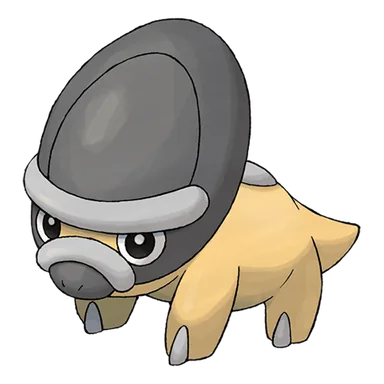
Cranidos is a Rock-type Pokémon introduced in Generation IV and the first stage of its evolution line, with a base stat total of 350.
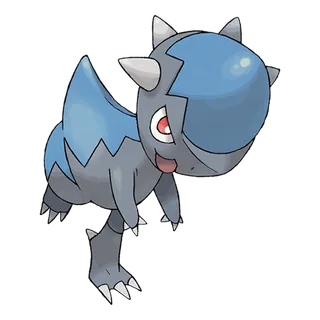
Cranidos

Abilities
Moves can be used regardless of abilities.
Removes added effects to increase move damage.
Hidden AbilityBase Stats
Cranidos's Weaknesses and Resistances







Evolution Chain
Cranidos evolves into Rampardos at level 30.
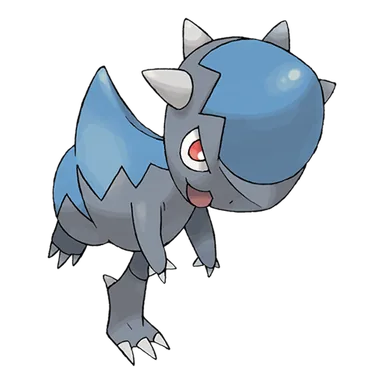 Cranidos
 Rampardos
Cranidos Playthrough, Competitive, and Nuzlocke Usage
Using Cranidos in a Playthrough
Cranidos is revived from the Skull Fossil in games where that fossil is available and evolves into Rampardos at level 30, the earliest standard evolution level shared by the Sinnoh fossil families. Rampardos's defining feature is its extraordinary base 165 Attack, among the highest of any non-legendary Pokemon, and Rock STAB combined with Earthquake, Zen Headbutt, elemental coverage, and Fighting moves can flatten many ordinary story opponents in a single hit. Mold Breaker lets its attacks ignore abilities that would otherwise interfere with them, while the later Hidden Ability Sheer Force strengthens qualifying coverage moves and can create powerful item interactions. The cost of that power is severe: base 58 Speed, 60 Defense, and 50 Special Defense leave Rampardos easy to revenge kill, and Rock typing adds common Water, Grass, Fighting, Ground, and Steel weaknesses. Adamant maximizes its absurd wallbreaking strength and Jolly can improve selected Speed matchups, but Head Smash's huge recoil and imperfect accuracy make safer Rock moves preferable whenever the extra power is unnecessary.
Cranidos in Competitive Pokémon
Rampardos has always been defined by the tension between overwhelming damage and poor survivability. In DPP lower-tier play, base 165 Attack made Choice Scarf, Rock Polish, Substitute, and all-out attacking sets threatening, with Stone Edge or Head Smash plus Earthquake and broad coverage capable of punishing almost any defensive switch; Smogon nevertheless classified it only around ZUBL-level usage because mediocre Speed and poor defenses made revenge killing easy. Generation V added Sheer Force, giving Rampardos another wallbreaking route and allowing boosted coverage to become even more difficult to absorb, while Mold Breaker retained utility against abilities such as Sturdy and Levitate. In BW PU and later formats it could be one of the strongest raw wallbreakers available, but it still needed paralysis, Sticky Web, Trick Room, a Choice Scarf, or careful pivoting to overcome base 58 Speed. Later Smogon analyses continue to place Rampardos in very low tiers such as ZU despite acknowledging that almost nothing wants to switch directly into its attacks, illustrating how extreme Attack alone cannot compensate for a poor defensive and Speed profile.
Cranidos in Nuzlockes
Rampardos is one of the clearest Nuzlocke examples of a Pokemon whose competitive damage ceiling can conflict with permadeath safety. Its base 165 Attack can end many battles before the opponent retaliates, but base 58 Speed means it often fails to move first and its weak defenses provide little insurance if the target survives or carries priority. Head Smash is especially dangerous: its tremendous recoil can remove Rampardos even after a successful knockout, and its imperfect accuracy adds another failure point that is unacceptable when a safer Rock move will do the job. Mold Breaker is useful because it makes abilities such as Levitate or Sturdy less likely to create unexpected outcomes, but common Water, Grass, Fighting, Ground, and Steel attacks should still be treated as potentially lethal. Rampardos is safest as a planned boss-killer brought in through a free switch against something it can certainly KO, not as a Pokemon asked to trade blows repeatedly.
Learnsets
63 moves · Scarlet Violet
Level Up





Machine



Egg
Pokédex Entries
11 entries
It lived in jungles around 100 million years ago. Its skull is as hard as iron.
It was resurrected from an iron ball-like fossil. It downs prey with its head butts.
A lifelong jungle dweller from 100 million years ago, it would snap obstructing trees with head butts.
CRANIDOS toughen up their already rock-hard heads by headbutting one another.
It was resurrected from an iron ball-like fossil. It downs prey with its headbutts.
A lifelong jungle dweller from 100 million years ago, it would snap obstructing trees with headbutts.
It lived in jungles around a hundred million years ago. It used its skillful headbutts to combat Aerodactyl.
In rock layers where Cranidos fossils are found, the fossilized trunks of trees snapped in two are also often found.
A primeval Pokémon, it possesses a hard and sturdy skull, lacking any intelligence within.
Its hard skull is its distinguishing feature. It snapped trees by headbutting them, and then it fed on their ripe berries.
An incredibly rare sight. They duel each other by ramming their heads together, and the resulting sound echoes throughout the area like the pealing of a bell.
Where To Find Cranidos
3 locations
Route 8 · AlolaGift · version details vary
Alola Route 8 Fossil Restoration Center
Pewter City · KantoGift · version details vary
Pewter Museum of Science
Oreburgh City · SinnohGift · version details vary
Oreburgh Mining Museum
Additional Images
PokeAPI sprites
Open this section to load extra PokeAPI sprite images.
Cranidos Biology and Behavior
Cranidos lived in dense forests and jungles roughly 100 million years ago and used its unusually hard domed skull as both a weapon and a tool for moving through that habitat. It charged head-first to snap obstructing trees, knock down prey, and fight predators such as Aerodactyl as well as other Cranidos; collisions between two individuals were said to ring through the area like a bell. Fossilized tree trunks broken cleanly in two have been found near Cranidos-bearing rock layers, preserving physical evidence of this behavior. The species is repeatedly described as having very little intelligence, suggesting that extreme investment in head armor and charging behavior came with little behavioral sophistication. Modern Cranidos are usually restored from Skull Fossils, although living populations have also been encountered in specially maintained habitats.
Cranidos Biological Data
- National Pokédex
- #408
- Species
- Head Butt Pokémon
- Height
- 2' 11" (0.9 m)
- Weight
- 69.4 lbs (31.5 kg)
- Habitat
- Currently Unknown
- Color
- Blue
- Body Style
- Upright
- Gender
- 12.5% female / 87.5% male
Misc
Catch Rate: 45
Base Experience: 70 Exp
Hatch Counter: 30
Cranidos Size Comparison: BETA
Cranidos is listed at 2' 11" (0.9 m); this chart uses a pose-adjusted visual scale.
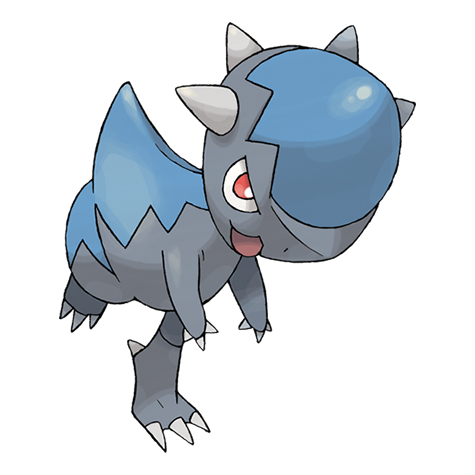
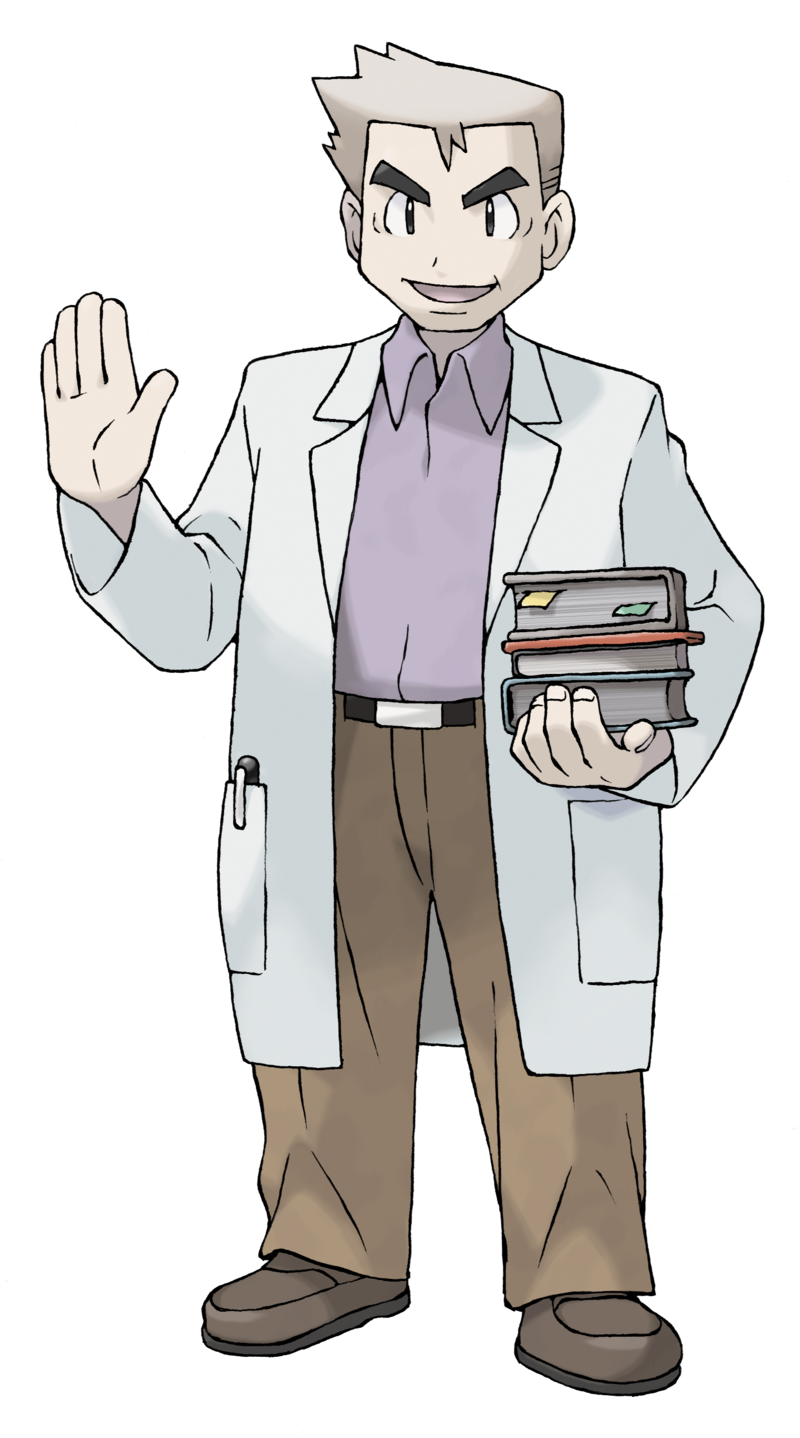
How is visual size determined?
Pokédex height is treated as the official listed measurement, but the chart uses pose-aware visual scaling so each sprite looks reasonable in a direct comparison.
For long or coiled Pokémon, the listed height may represent total body length rather than upright height. For Pokémon with floppy ears, leaves, feathers, antennae, wings, or other flexible features, the chart usually measures to the top of the solid, substantial part of the head or body instead of the tallest decorative feature.
The goal is not to replace the official height, but to make the artwork compare naturally at the size it appears to occupy.
Cranidos currently uses a pose-adjusted visual scale.